
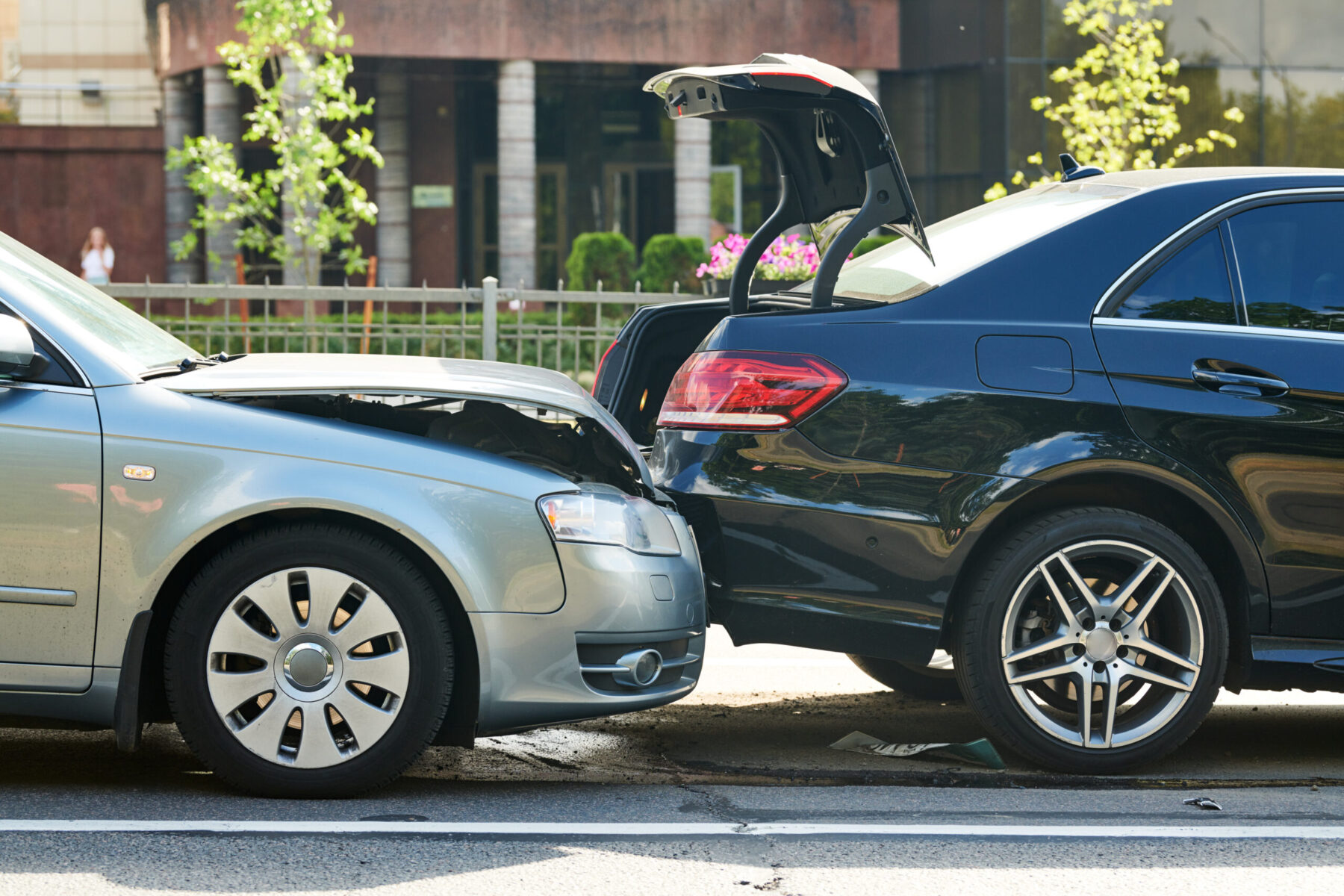
If you’ve ever heard someone say, “It doesn’t matter who caused the crash—just file with your own insurance,” they were talking about no-fault coverage. In the U.S., “no-fault” usually means a system where certain injury-related costs are paid by your own auto insurer first—most commonly through Personal Injury Protection (PIP)—regardless of who was responsible for the accident.
That sounds simple, but no-fault coverage can be confusing because:
- different states use different versions of no-fault,
- PIP can be required in some places and optional in others,
- and the rules about lawsuits (especially “pain and suffering”) often depend on whether an injury meets a legal threshold.
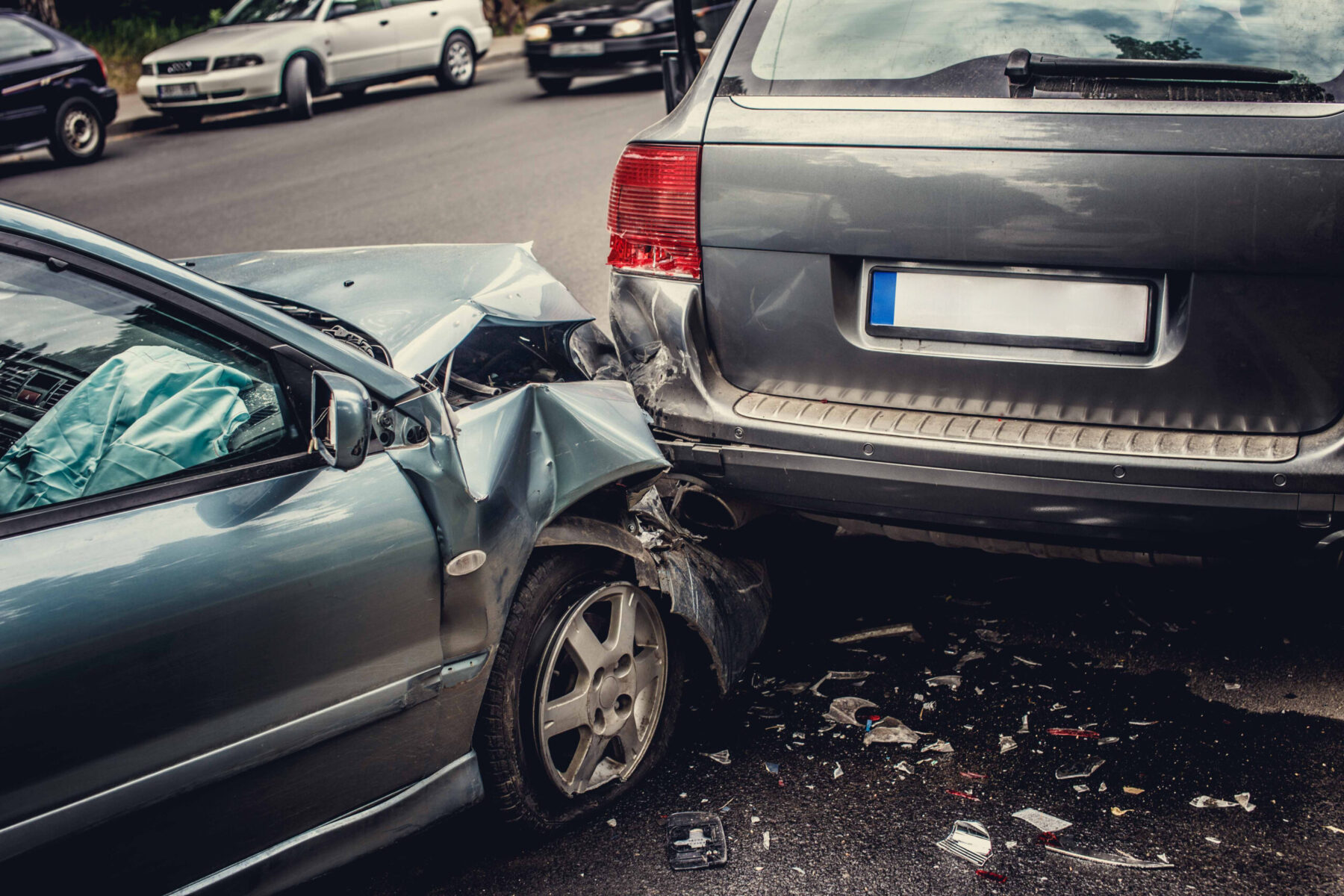 What “no-fault” coverage actually means
At its core, no-fault auto insurance is a system that requires drivers to turn to their own insurer for certain losses after an accident regardless of who caused it.
In practice, the coverage people usually mean is PIP (Personal Injury Protection). NAIC (a leading insurance regulator organization) describes PIP as coverage that pays for treating injuries to you and your passengers, and notes that PIP in “no-fault” states can also cover items like lost wages and funeral costs up to your policy limit.
A key detail: in its stricter form, “no-fault” also comes with limits on lawsuits for non-economic damages (like pain and suffering), unless an injury meets a threshold set by law.
What PIP (no-fault coverage) typically pays for
PIP is designed to get money flowing quickly for injury-related costs. While the exact benefits vary by state and policy, commonly covered categories include:
1) Medical expenses
PIP generally helps pay for medical treatment following a car accident, regardless of fault.
2) Lost wages and replacement services (in many versions of PIP)
NAIC notes that PIP can cover lost wages and funeral costs up to your policy limit.
3) Coverage can extend beyond “the driver”
Depending on state rules, PIP can apply to passengers and sometimes pedestrians.
- the person named on the policy,
- household residents related by blood/marriage/adoption (and step/foster children),
- non-family passengers, and even pedestrians involved in the accident (with important policy conditions).
This “who is covered” issue is a big reason to read your declarations page and ask your insurer questions—because it affects how claims work in real life.
What no-fault coverage usually does NOT cover
“No-fault” does not mean “everything is covered and nobody is responsible.”
Property damage is separate
PIP generally addresses injury-related expenses. Damage to vehicles and property is typically handled through property damage liability, collision coverage, comprehensive coverage, and related parts of the auto policy—not PIP.
Pain and suffering may be limited by thresholds
In many no-fault states, you can’t freely sue for pain and suffering from minor injuries. The III explains that lawsuits for severe injuries and pain and suffering are generally allowed only if the case meets a threshold, which may be verbal or monetary.
Exclusions can apply
Policies and state rules can exclude certain situations. For instance, Washington notes PIP may not cover injuries involving certain vehicles (like off-road vehicles) and may exclude injuries from intentional acts, organized racing, or certain criminal activity.
(That’s a state example, not a universal rule—always check your own policy and state guidance.)
No-fault vs. “add-on” PIP: not every state is the same
A major source of confusion is that PIP can exist even in states that aren’t “true” no-fault states.
So, you might encounter:
- True/strict no-fault systems: PIP is required and lawsuits are restricted except above thresholds.
- Choice no-fault systems: drivers may choose between limited-right-to-sue vs. broader-right-to-sue options.
- Add-on systems: PIP exists but doesn’t necessarily restrict lawsuits in the same way.
The label matters less than the details: Is PIP mandatory? What benefits does it include? What are the lawsuit rules?
How to think about choosing no-fault (PIP) limits and options
If your state requires PIP, you’ll have at least a minimum requirement. In some states you may also be able to buy additional PIP.
When you’re choosing coverage, focus on:
- Mandatory minimums in your state
- Whether you can buy additional PIP
- Whether your state allows PIP “levels” or waivers (where permitted)
- How PIP coordinates with health insurance (varies by state and policy)
PIP vs. MedPay: a common comparison
People often confuse PIP with Medical Payments coverage (MedPay). NAIC groups them together as options that pay for treating injuries, but notes PIP (available in “no-fault” states) can also cover lost wages and funeral costs up to your policy limit.
Texas’s Office of Public Insurance Counsel explains one practical distinction: unlike PIP, MedPay typically does not pay lost wages or essential services.
The takeaway: MedPay is usually narrower, while PIP often covers a wider set of “economic” losses—depending on the state.
The bottom line
No-fault coverage is best understood as first-party injury protection: after a crash, your policy’s PIP (or equivalent) is designed to help pay medical and related economic costs quickly, without waiting for fault to be sorted out.
But the details—who’s covered, what’s covered, what’s excluded, whether it’s required, and when you can sue—are heavily state- and policy-specific.
If you tell me your state (or country) and whether you’re looking at required minimum coverage or optional add-on PIP, I can tailor this into a more specific blog section (still without inventing numbers or scenarios).
Find the Information You Need in Home & Auto Resources
For more knowledge on insurance, don’t hesitate to reach out. Contact Home & Auto Resources at (888) 291-2366 or visit our website. Our dedicated team is ready to support you in making informed decisions.
Common FAQS About No-Fault Insurance
- What is no-fault coverage?
No-fault coverage is a system where certain injury-related costs after a car accident are paid by your own auto insurer first, regardless of who caused the crash—usually through Personal Injury Protection (PIP). - Is no-fault coverage the same as PIP?
They’re closely connected. In many places, “no-fault” is the legal system, and PIP is the insurance coverage that delivers the no-fault benefits (medical bills and sometimes more). - What does PIP typically cover?
It commonly helps pay medical expenses after an accident. In many states/policies it can also cover lost wages, replacement services (help with tasks you can’t do due to injury), and funeral expenses, up to your policy limits. - Does no-fault coverage pay for car repairs?
Usually no. No-fault/PIP is primarily for injury-related costs. Vehicle damage is handled through other parts of an auto policy (like collision, comprehensive, or property damage liability). - Do I still need liability insurance in a no-fault state?
Often yes. No-fault rules don’t automatically replace all liability requirements. States typically still require some form of liability coverage, especially for property damage and/or injuries beyond PIP. - Can I sue the other driver in a no-fault state?
Sometimes. Many no-fault states limit lawsuits for “pain and suffering” unless an injury meets a legal threshold (which can be based on severity or medical costs). The exact rule depends on the state. - Is no-fault coverage required everywhere?
No. Requirements vary widely. Some states require PIP/no-fault benefits, while others offer PIP as optional coverage (sometimes requiring you to reject it in writing if you don’t want it). - Who is covered under PIP?
It depends on the policy and state rules. Coverage may apply to the named insured and household members, passengers in the vehicle, and sometimes pedestrians—so it’s important to check your policy details. - What’s the difference between PIP and MedPay?
Both can help pay medical costs after an accident, but PIP often covers more categories (like lost wages or services) depending on the state. MedPay is typically more limited to medical expenses. - How do I decide how much PIP (no-fault) coverage I need?
Start with your state’s minimum requirements, then consider whether you want additional protection based on your budget, how PIP coordinates with your health insurance, and how comfortable you are with your out-of-pocket risk if you’re injured.



CONTACT US
Have a question we haven’t considered yet? Fill out our contact form and we’ll get back to you!
