

Owning a vehicle comes with responsibilities beyond simply filling the gas tank and driving from one place to another. One of the most important responsibilities is keeping up with regular car maintenance. Proper maintenance helps support vehicle performance, reliability, safety, and long-term condition. While many drivers wait until something goes wrong before addressing vehicle issues, preventive maintenance can help identify small concerns before they become larger problems.
Car maintenance does not need to be complicated, but it does require consistency. Every vehicle experiences wear over time, and different systems work together every day to keep the car operating properly. From tires and brakes to fluids and batteries, each component plays an important role. Ignoring routine maintenance can increase the likelihood of breakdowns, reduced efficiency, and costly repairs.
Understanding the basics of general car maintenance can help drivers feel more confident about caring for their vehicles and recognizing when attention may be needed.
Why Car Maintenance Matters
Vehicles are made up of many interconnected systems that experience stress during daily driving. Engine components generate heat, tires face constant friction with the road, and fluids circulate continuously throughout the vehicle. Over time, normal use causes parts to wear down naturally.
Regular maintenance helps keep these systems functioning as intended. It can also improve driving comfort and help reduce the chances of unexpected issues. Drivers who stay proactive with maintenance are often better prepared to identify unusual sounds, warning lights, or performance changes before they become serious concerns.
Maintenance is not only about extending the life of a vehicle. It is also about supporting safety. Components such as brakes, tires, lights, and steering systems all contribute to overall vehicle control and visibility. When these systems are neglected, driving conditions may become less predictable.
 Understanding Routine Oil Changes
Oil plays a major role in keeping an engine lubricated and protected. As the engine runs, oil helps reduce friction between moving parts and assists with temperature regulation. Over time, however, oil can become dirty and less effective.
Routine oil changes are one of the most common maintenance tasks drivers perform. Fresh oil helps support smoother engine operation and may reduce unnecessary wear. Oil filters are also important because they help capture debris and contaminants circulating through the engine.
Different vehicles may have different recommendations regarding oil type and service intervals. Driving habits, climate conditions, and mileage can all affect how often oil changes are needed. Paying attention to maintenance schedules and monitoring oil levels regularly can help support engine health over time.
Tire Care And Maintenance
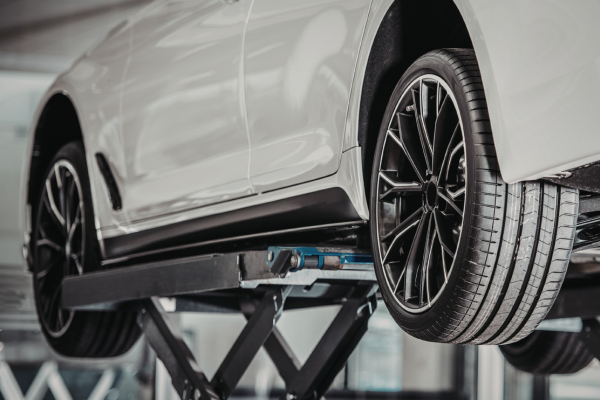
Tires directly affect handling, traction, braking, and ride comfort. Since tires constantly interact with road surfaces, they naturally experience wear over time. Proper tire maintenance can help support safer driving conditions and more even wear patterns.
One important part of tire care is maintaining proper tire pressure. Underinflated or overinflated tires can affect vehicle handling and may contribute to uneven wear. Drivers often check tire pressure regularly, especially during seasonal temperature changes, since weather can influence pressure levels.
Tire rotation is another common maintenance practice. Rotating tires helps distribute wear more evenly because tires may wear differently depending on their position on the vehicle. Uneven wear can shorten tire lifespan and affect overall performance.
Drivers should also visually inspect tires for signs of damage, worn tread, or embedded debris. Tires with low tread depth may have reduced traction, especially in wet conditions.
Brake System Awareness
Brakes are one of the most critical safety systems in any vehicle. Because brakes are used constantly during driving, components such as brake pads and rotors gradually wear down over time.
Drivers often pay attention to warning signs that may indicate brake concerns. Squeaking noises, grinding sounds, vibration during braking, or reduced responsiveness may suggest that the brake system requires inspection. Ignoring these signs can increase wear and potentially affect braking performance.
Routine brake inspections help monitor the condition of pads, rotors, brake fluid, and related components. Since braking ability directly affects vehicle safety, regular attention to the brake system is extremely important.
Battery Maintenance And Electrical Systems
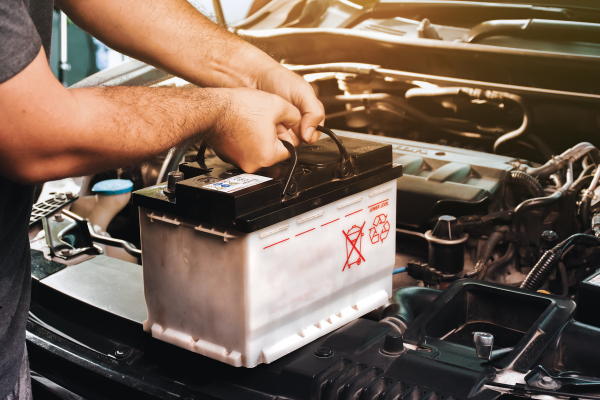
The battery powers many of the vehicle’s electrical systems and is responsible for starting the engine. Over time, batteries can weaken due to age, temperature changes, and normal use.
Drivers may notice signs of battery issues such as slow engine cranking, dim lights, or electrical inconsistencies. Corrosion around battery terminals may also affect performance.
Battery maintenance often includes checking connections, inspecting for corrosion, and monitoring battery condition. Because modern vehicles rely heavily on electrical systems, battery performance plays a larger role than many drivers realize.
Electrical systems also include lights, dashboard indicators, power accessories, and charging systems. Paying attention to unusual electrical behavior can help identify problems before they worsen.
The Importance Of Fluid Checks
Vehicles rely on multiple fluids to support different systems. In addition to engine oil, fluids such as coolant, brake fluid, transmission fluid, power steering fluid, and windshield washer fluid all contribute to vehicle operation.
Coolant helps regulate engine temperature and prevents overheating. Brake fluid supports braking pressure, while transmission fluid assists with gear operation and lubrication. Low or contaminated fluids may affect performance and system reliability.
Drivers often check fluid levels periodically and look for signs of leaks under the vehicle. Fluid leaks may appear small initially but can lead to larger concerns if left unresolved.
Maintaining proper fluid levels and addressing leaks early can help support smoother vehicle operation and reduce strain on important systems.
Air Filters And Engine Performance
Air filters help prevent dirt, dust, and debris from entering the engine and cabin areas. Engine air filters support airflow needed for combustion, while cabin air filters affect interior air quality.
Over time, filters can become clogged and restrict airflow. Reduced airflow may affect engine efficiency or heating and cooling performance inside the vehicle.
Replacing air filters periodically is a relatively simple maintenance task that can help support cleaner airflow and better overall operation.
Seasonal Maintenance Considerations
Different weather conditions can affect vehicles in different ways. Seasonal maintenance helps drivers prepare their vehicles for temperature changes and varying driving conditions throughout the year.
Cold weather may affect battery performance, tire pressure, and fluid viscosity. Hot weather can place additional stress on cooling systems and tires. Rain, snow, and ice may also affect traction and visibility.
Seasonal maintenance often includes checking windshield wipers, inspecting tires, monitoring battery condition, and ensuring fluids are at appropriate levels. Preparing for seasonal changes can help support safer and more reliable driving conditions.
Warning Lights Should Not Be Ignored
Modern vehicles include dashboard warning lights designed to alert drivers when systems may need attention. These indicators can relate to the engine, brakes, battery, tire pressure, oil pressure, and other components.
While some warning lights may signal minor issues, others may indicate more serious concerns that require prompt inspection. Ignoring warning lights can sometimes allow small problems to develop into more significant repairs.
Drivers who familiarize themselves with common dashboard indicators may feel more prepared to respond appropriately when alerts appear.
Keeping The Vehicle Clean
Car maintenance is not limited to mechanical systems. Keeping a vehicle clean also contributes to its overall condition. Dirt, road salt, debris, and moisture can affect both exterior and interior surfaces over time.
Regular washing can help remove contaminants that may contribute to corrosion or surface wear. Interior cleaning helps maintain comfort and may prevent long-term material damage.
Drivers often pay extra attention to vehicle cleaning during winter months or after exposure to mud, salt, or heavy debris.
Following The Manufacturer’s Maintenance Schedule
Most vehicles include a recommended maintenance schedule provided by the manufacturer. These schedules outline suggested service intervals for inspections, fluid replacements, filter changes, and other maintenance tasks.
Following these recommendations helps drivers stay organized and may support long-term vehicle reliability. Maintenance schedules are typically based on mileage, time intervals, or driving conditions.
While every vehicle may have slightly different requirements, staying consistent with maintenance intervals can help reduce the likelihood of unexpected issues.
Driving Habits Affect Vehicle Wear
The way a vehicle is driven can influence maintenance needs and overall wear. Aggressive acceleration, sudden braking, rough road conditions, and frequent short trips may place additional strain on various systems.
Smooth driving habits may help reduce wear on brakes, tires, suspension components, and the engine. Drivers who pay attention to how they operate their vehicles may notice fewer maintenance concerns over time.
Understanding how driving behavior affects vehicle condition can help support better long-term care.
 Long-Term Benefits Of Preventive Maintenance
Preventive maintenance is often easier and less stressful than dealing with major repairs after a breakdown occurs. Staying proactive with inspections and routine service may help drivers feel more confident about their vehicle’s reliability.
Regular maintenance can also support better fuel efficiency, smoother operation, and improved driving comfort. Vehicles that receive consistent care are often easier to monitor because drivers become more familiar with normal sounds and performance.
While maintenance requires time and attention, it can contribute to a more dependable driving experience over the life of the vehicle.
Home and Auto Resources- Regular Car Maintenance
For more knowledge on insurance, don’t hesitate to reach out. Call Home & Auto Resources at (888) 291-2366 or visit our website. Our dedicated team is ready to support you in making informed decisions.
FAQs
1. Why Is Regular Car Maintenance Important?
Regular car maintenance helps support vehicle safety, reliability, performance, and long-term condition by addressing small issues before they become bigger problems.
2. How Often Should I Change My Oil?
Oil change timing depends on the vehicle, oil type, mileage, and driving habits. Drivers should follow the maintenance schedule recommended for their vehicle.
3. Why Is Tire Maintenance Important?
Tire maintenance helps support traction, braking, handling, and even tire wear. Proper tire pressure and regular inspections are important for safe driving.
4. What Are Common Signs Of Brake Problems?
Common signs include squeaking, grinding, vibration while braking, reduced responsiveness, or a brake warning light on the dashboard.
5. What Vehicle Fluids Should Be Checked Regularly?
Important fluids include engine oil, coolant, brake fluid, transmission fluid, power steering fluid, and windshield washer fluid.
6. How Do I Know If My Car Battery Needs Attention?
Signs may include slow engine starting, dim lights, electrical issues, or corrosion around the battery terminals.
7. Why Should Air Filters Be Replaced?
Air filters help keep dirt and debris out of the engine and cabin. Replacing them supports airflow, engine performance, and interior air quality.
8. What Seasonal Car Maintenance Should Drivers Remember?
Seasonal maintenance may include checking tires, battery condition, windshield wipers, fluid levels, and cooling or heating system performance.
9. Should Dashboard Warning Lights Be Ignored?
No. Warning lights can indicate issues with important systems and should be checked to prevent potential damage or safety concerns.
10. How Can Driving Habits Affect Car Maintenance?
Aggressive braking, rapid acceleration, rough roads, and frequent short trips can increase wear on brakes, tires, suspension, and engine components.



CONTACT US
Have a question we haven’t considered yet? Fill out our contact form and we’ll get back to you!
