
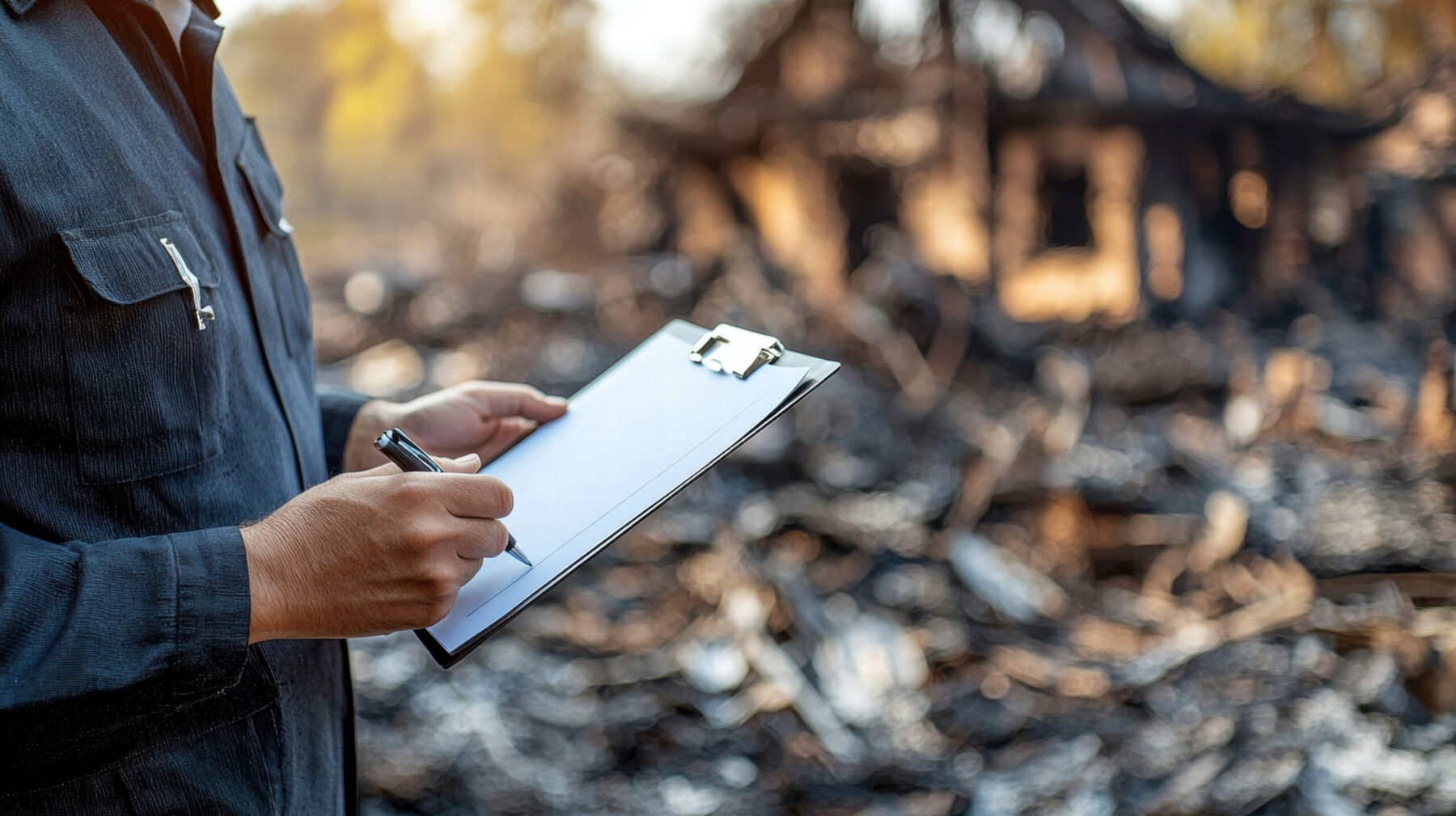
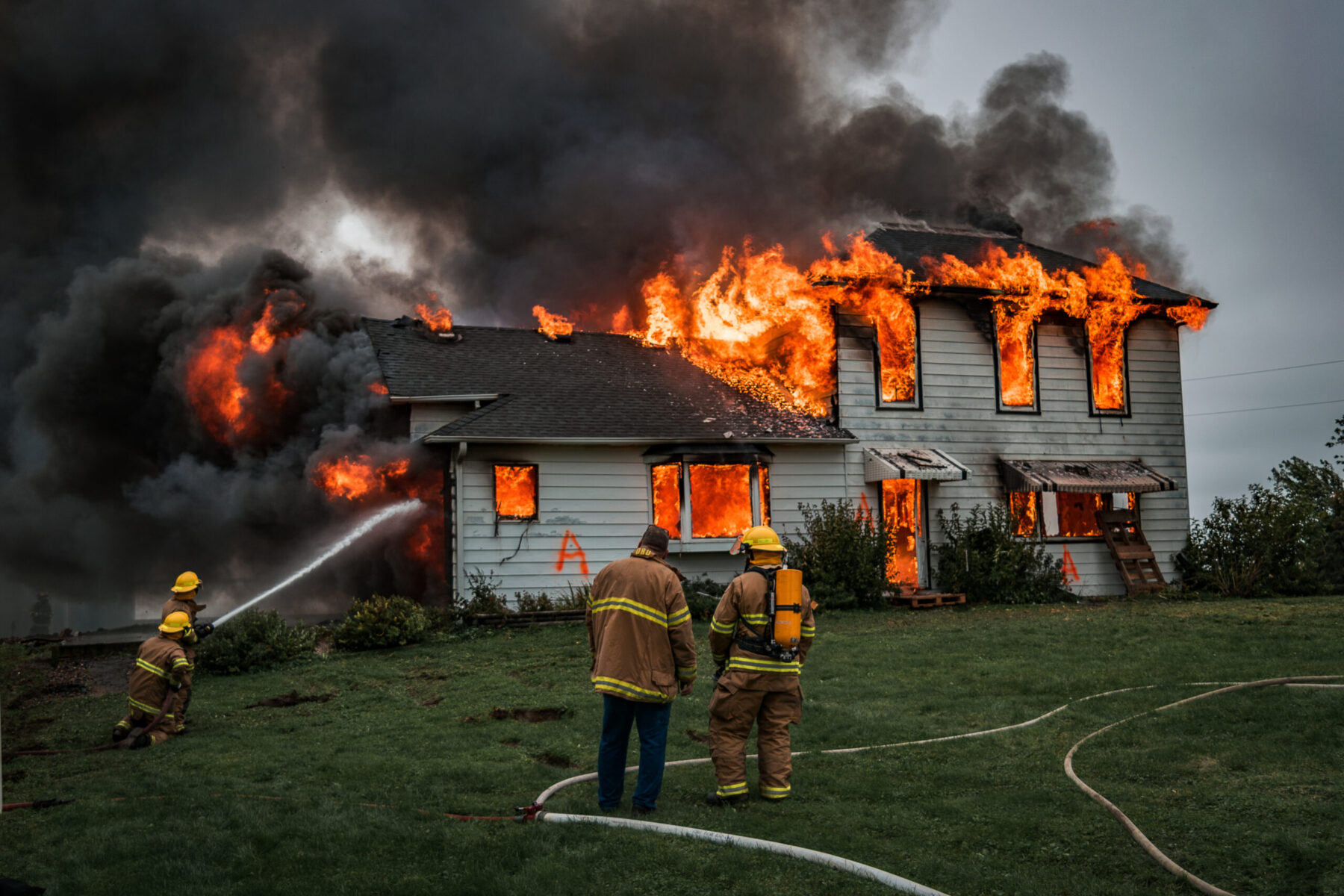
Fires are among the most devastating disasters a homeowner can face. In the United States, the National Fire Protection Association (NFPA) reported over 350,000 home fires in 2023, causing $8.9 billion in property damage and countless personal losses. Whether sparked by electrical faults, cooking accidents, or wildfires, a fire can destroy your home, belongings, and financial stability in minutes. Fire insurance, typically included in homeowners insurance but sometimes requiring additional coverage, is a critical tool to recover from such a catastrophe. We will explore fire insurance in the U.S., including what it covers, costs, limitations, and how to choose the right policy to safeguard your home and peace of mind.
 What is Fire Insurance?
Fire insurance is a component of standard homeowners insurance policies that covers damage to your home and personal property caused by fire, smoke, or related perils. While it’s not a standalone product in most cases, it can also be supplemented by specialized coverage for high-risk areas, such as regions prone to wildfires. Fire insurance helps homeowners rebuild or repair their property, replace lost belongings, and cover additional expenses like temporary housing after a fire. For renters or condo owners, similar protections are available through renters or condo insurance policies.
In the U.S., fire insurance is primarily offered through private insurers like State Farm, Allstate, or Liberty Mutual, but in high-risk areas, government-backed programs like the California FAIR Plan may provide coverage when private insurers won’t. Understanding how fire insurance works within your policy is essential to ensure you’re adequately protected.
Why Fire Insurance Matters
- Household Accidents: Cooking fires account for 49% of home fires, per the NFPA, followed by heating equipment and electrical malfunctions.
- Wildfires: Increasingly common in states like California, Colorado, and Oregon.
- Arson or Vandalism: Deliberate fires can also devastate properties.
- Smoke Damage: Even if flames don’t destroy your home, smoke can ruin furniture, electronics, and air quality.
What Fire Insurance Covers
- Dwelling Coverage
- Personal Property Coverage
- Additional Living Expenses (ALE)
- Debris Removal
- Other Structures
Wildfire-Specific Coverage
- Smoke and Ash Damage
- Landscaping
- Evacuation Costs
Renters and Condo Owners
- Renters Insurance
- Condo Insurance (HO-6)
What Fire Insurance Doesn’t Cover
- Arson by the Policyholder
- Vacant Homes
- Underinsurance
- Certain Perils
- High-Risk Areas
Costs of Fire Insurance
- Home Value
- Location
- Construction Materials
- Deductibles
- Risk Factors
Average Costs (2025):
- Homeowners Insurance (HO-3): $1,200-$2,500/year
- High-Risk Areas: $3,000-$10,000/year
- Renters Insurance: $150-$300/year
- FAIR Plan: $2,000-$5,000/year
Is Fire Insurance Worth It?
Benefits
- Financial Recovery
- Comprehensive Protection
- Mortgage Requirements
- Peace of Mind
Drawbacks
- High Premiums in Risky Areas
- Exclusions
- Claims Process
Real-Life Scenario
In 2023, a Colorado family’s home was destroyed in a wildfire, causing $350,000 in structural damage and $100,000 in lost belongings. Their homeowners policy ($2,200/year, $1,500 deductible) covered $425,000, including ALE for a year of temporary housing. Without insurance, they’d have faced a $450,000 loss, likely forcing them to relocate permanently.
Choosing the Right Fire Insurance
- Assess Your Risk
- Estimate Replacement Costs
- Compare Insurers
- Check Coverage Limits
- Review Deductibles
- Ask About Wildfire Coverage
- Understand Exclusions
 Tips for Homeowners
- Mitigate Risks
- Document Belongings
- Consider Wildfire Defenses
- Review Annually
- Bundle Policies
- Prepare for Claims
Special Considerations for Wildfire-Prone Areas
- Limited Availability
- Higher Costs
- Mitigation Discounts
- Private Options
The Future of Fire Insurance
Climate change is increasing fire risks, with longer wildfire seasons and more intense blazes. The Insurance Information Institute predicts rising premiums in high-risk areas as insurers adjust to growing losses. Innovations like satellite-based risk assessment and smart home fire prevention systems may influence future policies, potentially lowering costs for proactive homeowners. Additionally, state programs like California’s Safer from Wildfires initiative are encouraging mitigation efforts to make insurance more accessible.
Find the Information You Need in Home & Auto Resources
For more knowledge on insurance, don’t hesitate to reach out. Contact Home & Auto Resources or visit our website. Our dedicated team is ready to support you in making informed decisions.


CONTACT US
Have a question we haven’t considered yet? Fill out our contact form and we’ll get back to you!
