
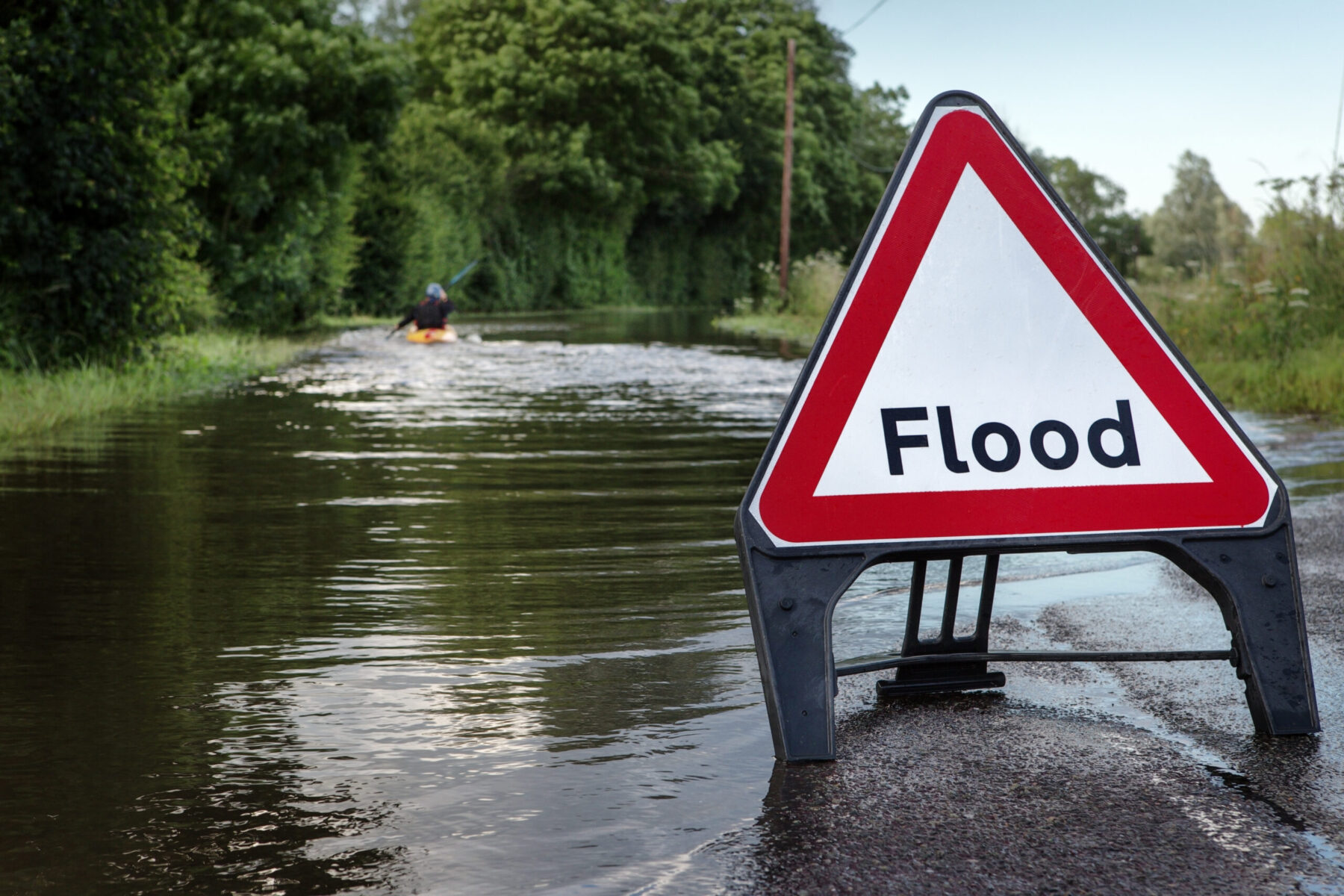
Floods are a pervasive threat in the United States, striking coastal towns, inland suburbs, and rural areas alike. The National Oceanic and Atmospheric Administration (NOAA) reported that flooding caused $10.2 billion in damages in 2024, making it the nation’s most frequent and costly natural disaster. Despite this, many homeowners mistakenly believe they’re covered by standard insurance or don’t need protection in “low-risk” areas. Flood insurance is a critical lifeline, offering financial recovery after water devastates your home.
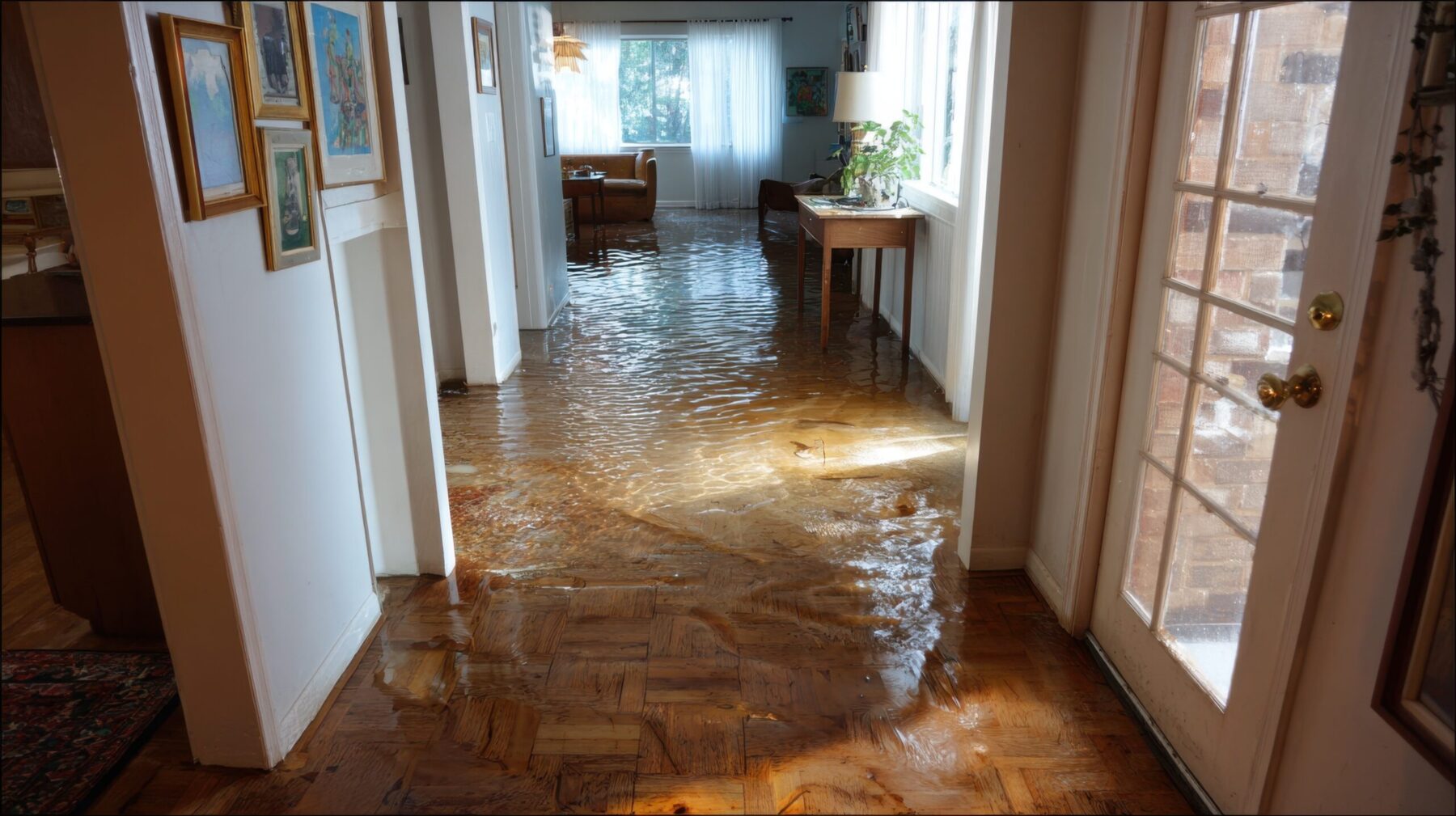 Understanding Flood Insurance
Flood insurance is a specialized policy that covers damage to your home and belongings caused by flooding, which standard homeowners or renters insurance excludes. A flood, as defined by the National Flood Insurance Program (NFIP), is an overflow of water onto normally dry land, whether from rivers, hurricanes, heavy rain, or storm surges. In the U.S., flood insurance is primarily offered through:
- NFIP: A federal program managed by FEMA, available in over 23,000 participating communities.
- Private Insurers: Companies like Neptune, Lloyd’s, or Chubb, offering alternatives with potentially higher limits or tailored coverage.
Flood insurance is vital because even minor flooding—one inch of water—can cost $20,000-$30,000 in repairs, per FEMA estimates. Without coverage, homeowners bear these costs entirely, risking financial ruin.
Why Flood Insurance is Critical
Floods can occur anywhere, not just near rivers or coasts. FEMA notes that 99% of U.S. counties have experienced flooding since 1998, and 25% of flood claims come from low-to-moderate-risk zones. Common flood triggers include:
- Heavy Rainfall: Urban areas with poor drainage are prone to flash floods.
- Hurricanes and Storm Surges: Coastal states like Florida and Texas face frequent risks.
- River Overflow: Inland areas near rivers or dams can flood unexpectedly.
- Snowmelt: Northern states like Minnesota see spring flooding from melting snow.
The financial toll is staggering. Rebuilding a flooded home can cost $50,000-$200,000, while replacing furniture, electronics, and appliances adds thousands more. Flood insurance ensures you can repair, replace, and recover without depleting savings or taking on debt.
Debunking Flood Insurance Myths
Misconceptions deter many homeowners from getting flood insurance. Here are common myths and the truth:
- Myth 1: “I’m not in a flood zone, so I don’t need it.”
Truth: Floods happen in low-risk areas too. A 2023 Texas flash flood damaged homes outside designated flood zones, proving risk is widespread. - Myth 2: “Homeowners insurance covers floods.”
Truth: Standard policies exclude flood damage. Only a dedicated flood policy covers water-related losses. - Myth 3: “It’s too expensive.”
Truth: NFIP premiums average $700-$1,000/year, far less than potential repair costs. - Myth 4: “Only coastal homes need it.”
Truth: Inland flooding from rivers or heavy rain is common in states like Ohio or Tennessee. - Myth 5: “I can buy it anytime.”
Truth: NFIP policies have a 30-day waiting period (except for new home purchases or loans), so planning ahead is crucial.
What Flood Insurance Covers
Flood insurance policies, whether NFIP or private, typically include:
- Building Coverage: Up to $250,000 (NFIP) for your home’s structure, including walls, foundation, plumbing, electrical systems, HVAC, and built-in appliances.
- Contents Coverage: Up to $100,000 (NFIP) for personal belongings like furniture, electronics, and clothing. This is optional and separate.
- Debris Removal: Costs to clear flood-related debris, such as mud or damaged materials.
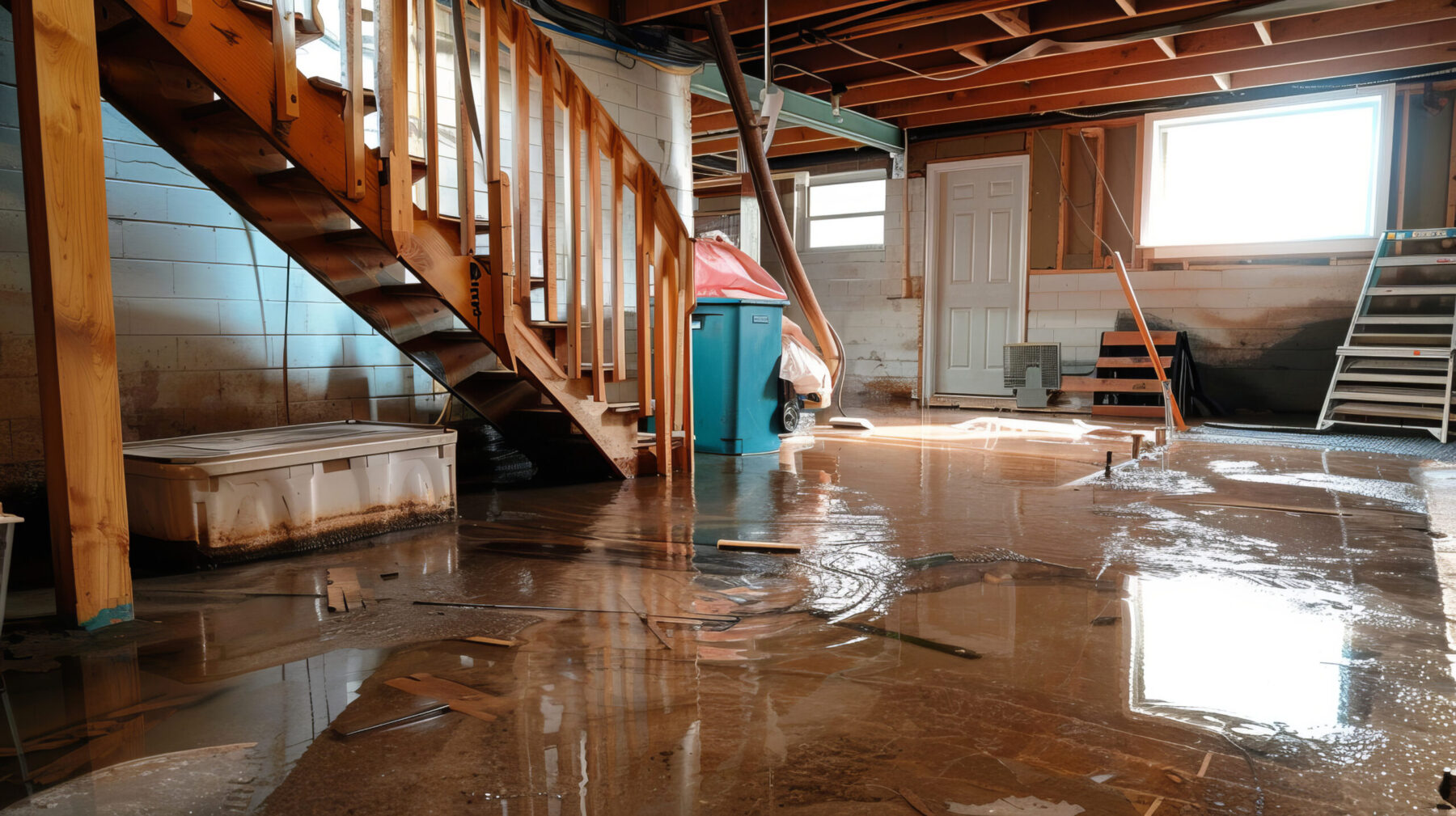
- Basement Improvements: Limited coverage for essential systems (e.g., furnaces, water heaters) in basements, but not finished walls or furniture.
Private Insurance Additions
Private policies may offer:
- Higher limits (e.g., $500,000+ for building coverage).
- Coverage for temporary living expenses (e.g., hotel costs).
- Faster claims processing or broader coverage for landscaping or pools.
Exclusions
- Temporary living expenses (NFIP policies).
- Outdoor property (e.g., fences, decks, or trees).
- Vehicles or boats (covered by auto or separate policies).
- Mold or mildew not directly caused by the flood.
- Belongings in basements, except specific systems.
Costs of Flood Insurance
Costs depend on several factors:
- Flood Risk: High-risk zones (e.g., FEMA’s Special Flood Hazard Areas) have higher premiums. Low-risk zones cost less.
- Coverage Amount: Higher limits increase premiums. NFIP caps at $250,000 (building) and $100,000 (contents).
- Property Details: Homes with elevated foundations or flood-resistant designs pay less.
- Location: Coastal areas like Miami face higher rates than inland cities like Denver.
- Deductibles: Higher deductibles (e.g., $5,000 vs. $1,000) lower premiums but raise out-of-pocket costs.
Is Flood Insurance Worth It?
Benefits
- Financial Protection: Covers repair costs that could exceed $100,000, far outweighing annual premiums.
- Mortgage Requirements: Federally backed mortgages in high-risk zones mandate flood insurance.
- Peace of Mind: Ensures recovery from unpredictable floods, especially with climate change increasing storm intensity.
- Community Benefits: NFIP participation supports local flood mitigation efforts, like levees or drainage systems.
Drawbacks
- Cost: Premiums in high-risk areas can strain budgets.
- Waiting Period: NFIP’s 30-day delay means you can’t buy coverage during a storm.
- Limited Coverage: Exclusions like living expenses or basement contents may require additional policies.
Real-Life Scenario
In 2024, a Tennessee family’s home flooded after heavy rainfall, causing $60,000 in structural damage and $20,000 in lost belongings. Their NFIP policy ($800/year, $1,000 deductible) covered $79,000, saving them from financial hardship. Without insurance, they’d have faced an $80,000 loss, forcing them to take out loans.
Choosing the Right Flood Insurance
To select the best policy:
- Check Your Flood Risk
- Compare NFIP vs. Private
- Estimate Coverage Needs
- Shop Around
- Review Exclusions
- Consult an Agent
 Practical Steps to Prepare for Floods
Beyond insurance, proactive measures can reduce flood damage and lower premiums:
- Elevate Appliances
- Install Flood Barriers
- Create a Home Inventory
- Landscape Wisely
- Stay Informed
- Mitigation Discounts
The Future of Flood Insurance
Climate change is driving more frequent and severe floods, with NOAA predicting a 30% increase in heavy rainfall events by 2050. This is pushing insurers to adjust premiums and coverage. Private flood insurance is growing, offering competition to NFIP with more flexible options. Technologies like AI-driven flood modeling and smart home sensors may soon lower premiums for proactive homeowners. Additionally, federal and state programs are investing in flood mitigation, potentially making insurance more affordable in high-risk communities.
Find the Information You Need in Home & Auto Resources
For more knowledge on insurance, don’t hesitate to reach out. Contact Home & Auto Resources at or visit our website. Our dedicated team is ready to support you in making informed decisions.


CONTACT US
Have a question we haven’t considered yet? Fill out our contact form and we’ll get back to you!
