
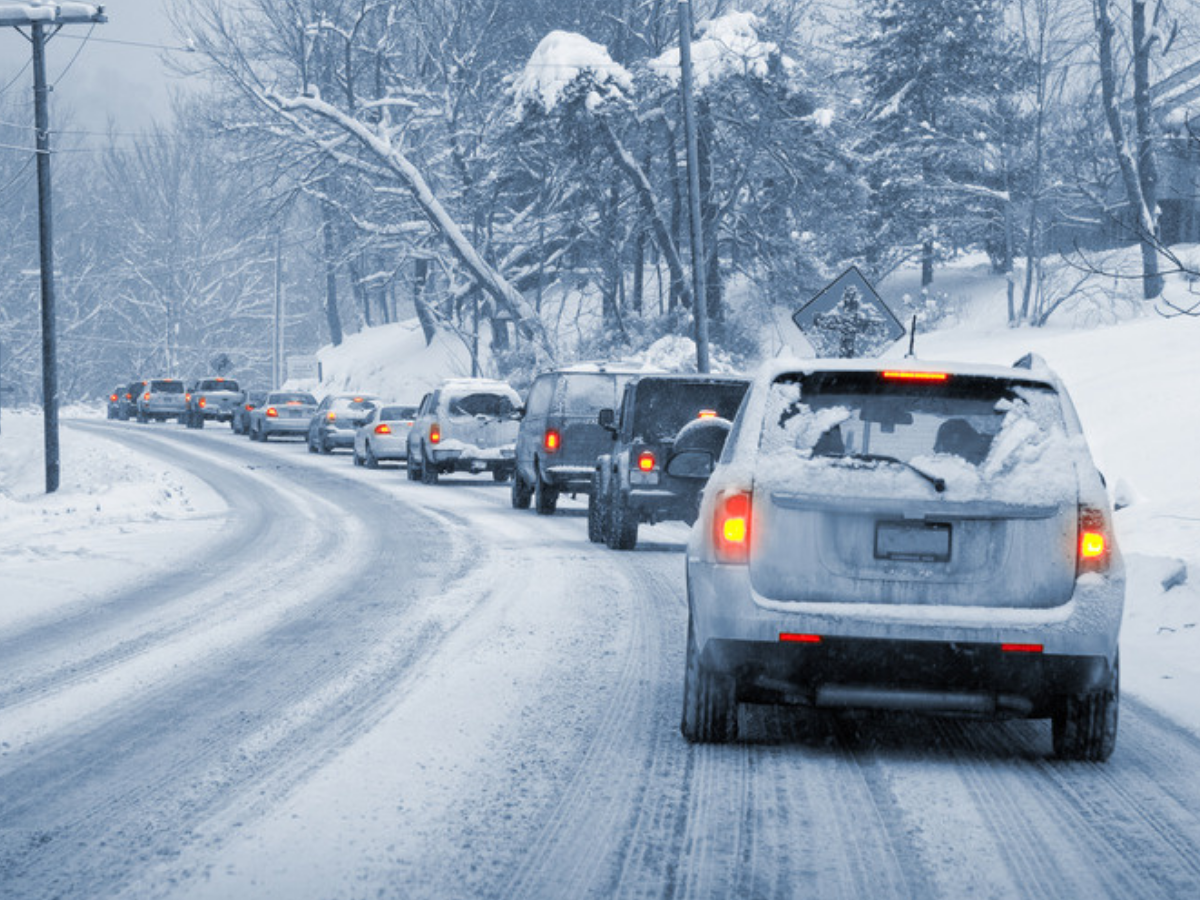
Cold weather is hard on a vehicle, and the problems it exposes tend to surface at the worst possible moment. A little winter car maintenance before the first hard freeze can be the difference between a dependable start on a frigid morning and an unexpected breakdown. At Home & Auto Resources, we gather this kind of seasonal upkeep into one place, so you can head into the season knowing your car is ready for it.
Why Winter Car Maintenance Matters
Winter is especially demanding on a car, straining the battery, thickening fluids, reducing tire grip, and often putting you on the road in the dark. Staying ahead of it is really an extension of regular car maintenance, aimed at the specific stresses the cold brings. The payoff is simple, since catching a weak battery or a worn tire in your driveway is far easier than dealing with it on an icy shoulder. Winter car maintenance is less about one large job and more about a handful of focused checks.
Start With Your Tires
Tires are your only contact with the road, and cold, snow, and ice all reduce the grip they can offer. Check the tread depth, since worn tires lose their footing quickly on slick surfaces, and keep an eye on tire pressure, which naturally falls as temperatures drop. In regions that see real snow and ice, a dedicated set of winter tires provides noticeably better traction than all-season tires. Matching your tires to your climate is one of the most effective parts of winter car maintenance.
Test the Battery
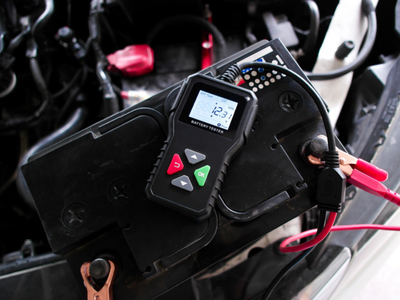
Cold weather is tough on batteries, reducing the power they can deliver when your engine needs it most to start. A battery that performed fine all summer can struggle in deep cold, especially once it is a few years old. Have it tested before the season, clear any corrosion from the terminals, and confirm the connections are snug. A failure here leaves you stranded, which is why a battery check sits near the top of any pre-winter checklist.
Check Fluids and Antifreeze
Fluids behave differently in the cold, so several of them deserve a look before winter. Your coolant, usually called antifreeze, needs the right balance with water to keep from freezing, so check both the level and the mix. Cold also thickens engine oil, and some owner’s manuals call for a different viscosity in very low temperatures, so it is worth confirming yours. Switch to a winter-rated washer fluid that will not freeze on the glass when you need it most, since fluid checks are an easy but important piece of the routine.
Keep Your Visibility Clear
Shorter days and messy weather make visibility one of winter’s biggest challenges. Replace wiper blades that streak or skip, since the season is especially hard on worn rubber, and keep the washer reservoir full of no-freeze fluid. Confirm that every light works and is clear of grime and snow, because you will spend far more time driving after dark. Test the heater along with the front and rear defrosters so you can clear the windows from the inside, since steady sightlines are a safety-first priority once the weather turns.
Don’t Overlook Brakes, Belts, and Hoses
Stopping distances grow on snow and ice, which makes dependable brakes more important than ever, so have them checked if you have noticed any noise or softness. Cold can also make rubber brittle, so a quick look at the belts and hoses can catch small cracks before they turn into a roadside breakdown. These under-the-hood parts are easy to forget, yet they are a genuine part of the process that keeps the whole system running.
Pack a Winter Emergency Kit
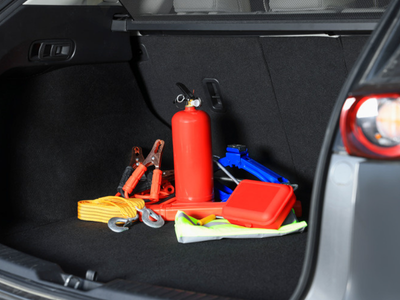
Even thorough winter car maintenance can’t prevent every problem, so a basic winter kit belongs in the trunk. Useful items include an ice scraper and snow brush, a warm blanket, a flashlight with spare batteries, jumper cables, and traction aids such as sand or cat litter. A small shovel, extra gloves and a hat, a phone charger, and some water and snacks round out a kit that can turn a stressful situation into a manageable one. Keeping the fuel tank at least half full through the season adds another layer of security.
Drive for the Conditions
A well-prepared car still has to be driven for winter, where slick roads leave little room for error. Give yourself extra following distance, slow down well before turns and stops, and allow more time so you are never rushing on ice. Pairing steady habits behind the wheel with winter car maintenance and safe driving does more for winter safety than any single part or gadget.
Review Your Coverage Before the Season
Preparation is not only mechanical. Winter roads raise the odds of a slide or a minor collision, so the season is a sensible time to confirm your policy still matches how and where you drive. Reviewing what full coverage really means in auto insurance can help you decide whether your current protection fits the added risk before you are counting on it.
Your Winter Car Maintenance Checklist
Keep this list handy as the cold sets in:
- Check tire tread and pressure, and consider winter tires
- Test the battery and clean the terminals
- Confirm coolant level and antifreeze mix
- Switch to winter-rated washer fluid
- Replace worn wiper blades
- Check all lights, the heater, and defrosters
- Inspect brakes, belts, and hoses
- Stock a winter emergency kit
- Keep the fuel tank at least half full
We’re Here to Help You Get Ready
At Home & Auto Resources, we brought the information behind decisions like this one into one place, so you are not piecing it together from scattered sources. Whether you are facing your first winter with a new vehicle or getting a familiar one ready again, our auto resources are here to support a clear, confident plan. If you have a question about winter car maintenance that we have not covered, we would like to hear from you, so reach out to us on our website or call us today at 888 291-2366.
Frequently Asked Questions
1. What is Winter Car Maintenance?
Winter car maintenance is the set of checks and small fixes that ready a vehicle for cold, snow, and ice. It typically covers the tires, battery, fluids, wipers, lights, brakes, and a basic emergency kit.
2. When Should I Get the Car Ready for Winter?
Early fall is ideal, before the first hard freeze. Preparing ahead of the cold keeps you from troubleshooting a problem in freezing conditions.
3. Do I Need Winter Tires or All-Season Tires?
All-season tires suit mild winters, but in areas with regular snow and ice, winter tires grip noticeably better. The right choice depends on your climate and the roads you drive most.
4. Why Does Tire Pressure Drop When It Gets Cold?
Air contracts as it cools, so tire pressure falls when temperatures drop. Check it more often in winter and top up to the level listed in your owner’s manual.
5. How Does Cold Weather Affect a Car Battery?
Cold cuts the power a battery can deliver while the engine needs more to start. Older batteries struggle most, so a pre-winter test is a key part of winter car maintenance.
6. What Antifreeze Mix Do I Need for Freezing Temperatures?
Coolant needs the right balance with water to avoid freezing inside the engine. The correct mix depends on your climate, so check the manual or have it tested to be sure.
7. Should I Warm Up the Car Before Driving in the Cold?
Modern engines need only a short warm-up, often under a minute, before gentle driving. Long idling wastes fuel, though a little time helps clear frost from the glass.
8. Why Keep the Gas Tank Fuller in Winter?
A fuller tank limits condensation in the fuel system and leaves a reserve if you are stuck or stranded. Many drivers try to stay above half a tank once the cold arrives.
9. How Often Should I Check the Car During Winter?
A quick look at tires, fluids, and wipers every few weeks works well, with closer checks after a cold snap or storm. Small issues are much easier to catch early.
10. Can I Handle Winter Car Maintenance Myself?
Many winter car maintenance tasks, like checking tire pressure, topping off fluids, and changing wiper blades, are easy to do yourself. For battery testing or brake work, a trusted mechanic is the safer choice.


CONTACT US
Have a question we haven’t considered yet? Fill out our contact form and we’ll get back to you!
