

Motorcycling is more than a mode of transportation—it’s a lifestyle, a passion, and for many, a way of life. Whether you’re cruising through scenic highways or commuting in urban areas, owning a motorcycle comes with unique risks that make insurance a critical consideration. In the United States, motorcycle insurance is not only a legal requirement in most states but also a financial safeguard against accidents, theft, and other unexpected events
Why Motorcycle Insurance Matters
 Motorcycles offer freedom and exhilaration, but they also expose riders to greater risks than car drivers. According to the National Highway Traffic Safety Administration (NHTSA), motorcyclists are 28 times more likely to die in a crash per mile traveled than car occupants. Beyond safety concerns, motorcycles are vulnerable to theft, vandalism, and weather damage. Motorcycle insurance helps mitigate these risks by covering medical bills, property damage, and other costs, ensuring you can ride with peace of mind.
In the U.S., most states require motorcyclists to carry at least minimum liability insurance to cover damages or injuries caused to others in an accident. However, minimum coverage may not be enough to protect you fully, especially if you own an expensive bike or ride frequently. Understanding the types of coverage and state-specific laws is key to making informed decisions.
Types of Motorcycle Insurance Coverage
Liability Insurance
- Bodily Injury Liability: Covers medical expenses, lost wages, and other costs for injuries you cause to others in an accident.
- Property Damage Liability: Pays for damage you cause to someone else’s property, like vehicles or fences.
This is the minimum required coverage in most states, with limits like $25,000 per person/$50,000 per accident for bodily injury and $20,000 for property damage (e.g., California’s 15/30/5 requirement).
Collision Coverage
Covers repairs or replacement of your motorcycle if it’s damaged in a crash, regardless of who’s at fault. This is crucial for expensive bikes or if you’re still paying off a loan, as lenders often require it.
Comprehensive Coverage
Protects against non-collision incidents, such as theft, vandalism, fire, or weather-related damage (e.g., hail or flooding). Given that motorcycles are easier to steal than cars, comprehensive coverage is highly recommended.
Uninsured/Underinsured Motorist Coverage (UM/UIM)
Covers your medical bills and bike repairs if you’re hit by a driver with no insurance or insufficient coverage. In 2023, about 13% of U.S. drivers were uninsured, per the Insurance Research Council, making UM/UIM a valuable add-on.
Medical Payments (MedPay)
Pays for your medical expenses, regardless of fault, up to a set limit (e.g., $10,000). This is useful for minor injuries or if you don’t have health insurance.
Optional Coverages
- Custom Equipment: Covers aftermarket parts or accessories (e.g., custom seats, chrome upgrades). Standard policies often limit accessory coverage to $1,000-$3,000.
- Roadside Assistance: Covers towing, flat tire repairs, or fuel delivery if your bike breaks down.
- Trip Interruption: Reimburses lodging or transport costs if your bike breaks down far from home.
- Personal Injury Protection (PIP): Required in no-fault states like Florida, it covers medical expenses and lost wages for you and your passengers.
State-Specific Requirements
Motorcycle insurance requirements vary by state. Most states mandate liability insurance, but the minimum limits differ. For example:
- California: 15/30/5 ($15,000 bodily injury per person, $30,000 per accident, $5,000 property damage).
- Florida: No liability insurance required, but PIP is mandatory for medical coverage.
- Texas: 30/60/25 ($30,000/$60,000/$25,000).
- New Hampshire: The only state where insurance isn’t mandatory, though proof of financial responsibility is required.
Some states, like New York and Michigan, require additional coverages like PIP or UM/UIM. Always check your state’s Department of Motor Vehicles (DMV) or insurance regulator for specifics.
How Much Does Motorcycle Insurance Cost?
The cost of motorcycle insurance depends on several factors:
- Rider Profile: Age, driving record, and experience. Younger riders or those with tickets/accidents pay higher premiums.
- Motorcycle Type: Sport bikes (e.g., Yamaha R1) cost more to insure than cruisers (e.g., Harley-Davidson Softail) due to higher risk of accidents or theft.
- Location: Urban areas like Los Angeles have higher premiums than rural areas due to traffic and theft risks.
- Coverage Level: Comprehensive plans with low deductibles cost more than basic liability.
- Usage: Riders who store their bikes in winter (common in northern states) may qualify for seasonal discounts.
On average, motorcycle insurance costs $20–$100 per month. For example:
- A 30-year-old rider with a clean record insuring a Honda Rebel 500 in Texas might pay $300–$500 annually for liability and comprehensive coverage.
- A 20-year-old on a Kawasaki Ninja in California could pay $800–$1,200 annually due to higher risk.
Discounts can lower costs, such as:
- Multi-policy (bundling with auto or home insurance).
- Safety course completion (e.g., Motorcycle Safety Foundation courses).
- Anti-theft devices or garaged storage.
- Paying premiums annually instead of monthly.
Is Motorcycle Insurance Worth It?
Whether motorcycle insurance is worth it depends on your riding habits, financial situation, and bike value. Consider these pros and cons:
Benefits
- Legal Compliance: Meets state requirements, avoiding fines or license suspension.
- Financial Protection: Covers costly repairs, medical bills, or lawsuits. For example, a single accident causing $50,000 in damages could bankrupt an uninsured rider.
- Peace of Mind: Allows you to ride confidently, knowing you’re covered for theft, crashes, or injuries.
- Loan Requirements: Lenders often require collision and comprehensive coverage for financed bikes.
Drawbacks
- Cost: Premiums can be a burden, especially for young riders or high-risk bikes.
- Exclusions: Policies may not cover track racing, off-road use, or certain custom parts unless specified.
- Claims Process: Filing claims can be time-consuming, and some insurers may dispute coverage.
Real-Life Scenario
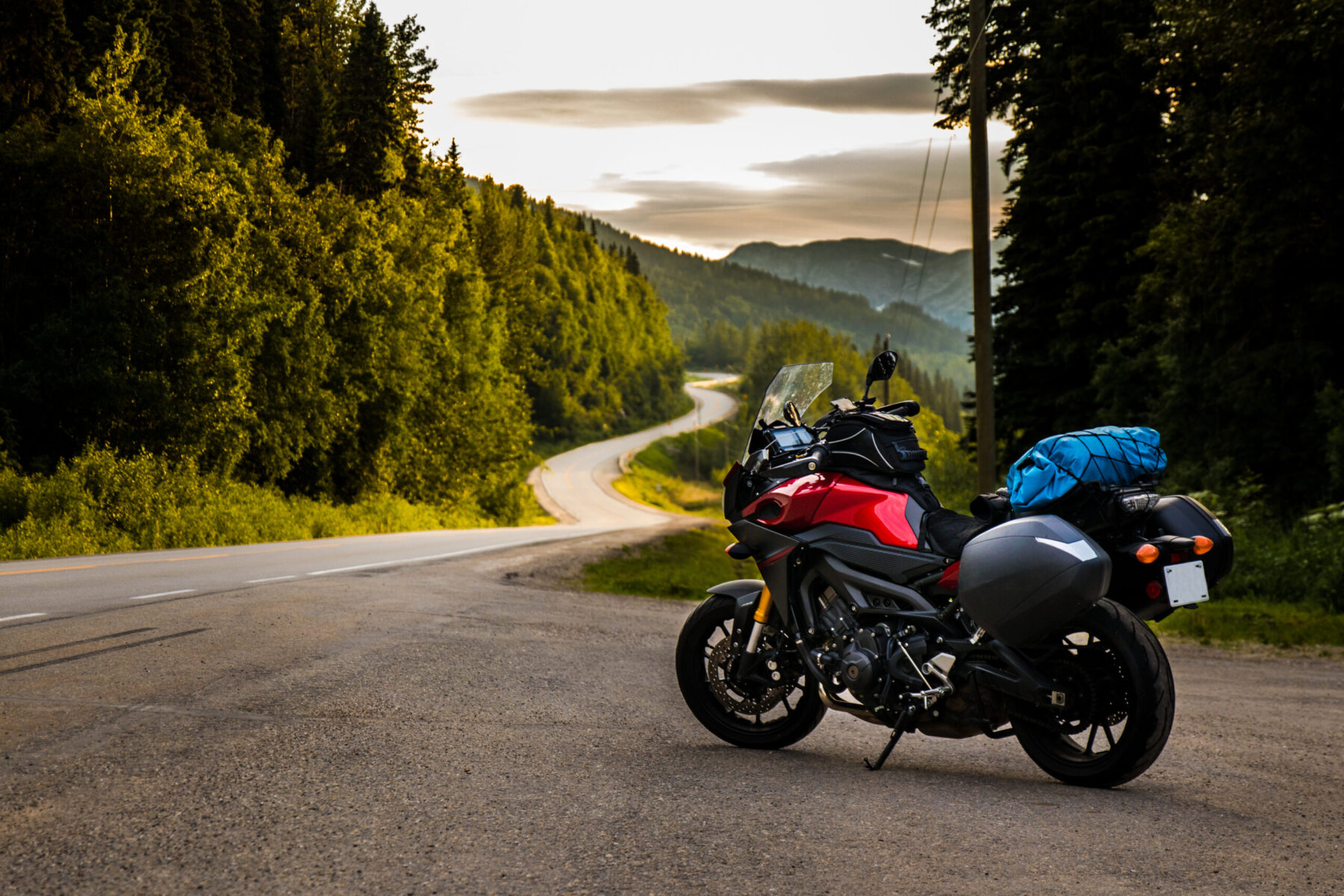 Jake, a 35-year-old rider in Florida, crashed his $10,000 Harley into a car. His liability coverage paid $20,000 for the other driver’s medical bills, while collision coverage repaired his bike for $8,000 (minus a $500 deductible). Without insurance, Jake would have faced $28,000 in costs. His $600 annual premium proved a wise investment.
Tips for Riders
- Take a Safety Course: Improves skills and may lower premiums.
- Install Anti-Theft Devices: Reduces theft risk and insurance costs.
- Store Your Bike Properly: Garaging in winter or using a cover can prevent damage and qualify for discounts.
- Review Annually: Adjust coverage as your bike’s value or riding habits change.
- Bundle Policies: Combine motorcycle insurance with auto or home for savings.
Find the Information You Need in Home & Auto Resources
For more knowledge on insurance, don’t hesitate to reach out. Call Home & Auto Resources at (888) 291-2366 or visit our website. Our dedicated team is ready to support you in making informed decisions.


CONTACT US
Have a question we haven’t considered yet? Fill out our contact form and we’ll get back to you!
