
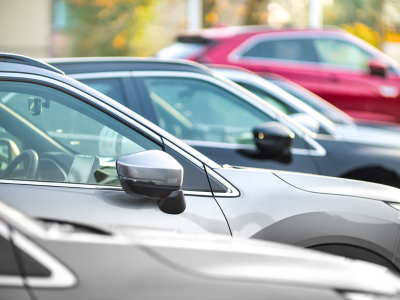
Buying a used car can be a smart and practical decision, but only when you know what you are looking at. At Home & Auto Resources, we bring that kind of guidance together in one place. A careful used car inspection is what separates a dependable vehicle from one that carries someone else’s unresolved problems, and most of it comes down to knowing where to look. Everything from the body panels to the paperwork deserves attention before money changes hands.
What Buyers Should Know
- A complete used car inspection covers the exterior, the engine bay, the tires and brakes, the interior, and a test drive under real conditions.
- The vehicle’s history and paperwork matter as much as its mechanical condition.
- Uneven tire wear, fluid leaks, and mismatched paint are among the clearest signals that a car needs a closer look.
- An independent mechanic can provide an objective assessment when anything remains uncertain.
- Knowing what to check during a used car inspection keeps you in control of the purchase rather than leaving it to chance.
Why a Used Car Inspection Matters
Every used car has a history, and no two are in the same condition even when the year, make, and model match. A thorough review shows how the
previous owner treated the vehicle and whatkind of care it will need going forward. A car that was driven hard or went without routine service can look presentable in a parking lot and still cost you time and money later. Once you have narrowed your search and researched the models you like, a hands on used car inspection confirms that the specific car in front of you lives up to the research.
Start With the Exterior and Body
The most efficient place to begin a used car inspection is outside, in good lighting, with a slow walk around the entire vehicle. Look at the paint from several angles, since mismatched color, overspray, or panels that do not line up can point to past bodywork or accident repair. Check for rust along the wheel wells, rocker panels, and undercarriage, and examine the windshield and windows for chips or cracks. Notice how the car sits as well, because a vehicle that leans or sags on one side may have a worn suspension. What the exterior hints at, the engine bay usually confirms.
Look Under the Hood
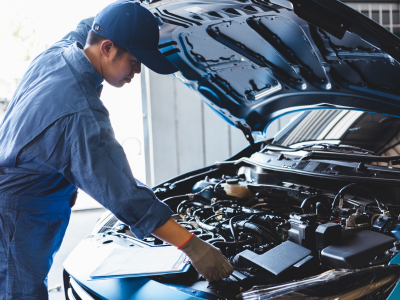
Opening the hood tells you a great deal about how a car has been treated, and consistent regular car maintenance is one of the clearest signs of a responsible owner. This stage covers both the fluids and the components that keep everything running.
Fluids and Leaks
Check the engine oil level and color, since dark, gritty, or milky oil can signal neglect or a deeper problem. Review the coolant, transmission fluid, and brake fluid levels, then look underneath the car and around the engine for signs of active leaks. Fresh puddles or heavy residue are worth asking about before you go any further.
Belts, Hoses, and the Battery
Inspect the belts for cracks or fraying and squeeze the hoses to feel for brittleness or soft spots. Look at the battery terminals for corrosion and note whether the battery appears aged or swollen. These are small parts, but worn ones can leave you stranded and often reflect how much upkeep the car has missed.
Check the Tires, Brakes, and Suspension
Tires reveal more than most buyers expect, which makes them one of the most useful stops in a used car inspection. Check the tread depth and look for even wear across all four tires, because uneven wear can point to alignment or suspension trouble. Confirm that the tires match and note their age. Turn to the brakes next, listening for grinding or squealing and feeling for pulsing when you press the pedal. To test the suspension, press down firmly on each corner of the car and watch how it settles, since a healthy vehicle stops bouncing quickly.
Inspect the Interior and Electronics
A used car inspection is not complete until the cabin receives the same scrutiny as the mechanical components. Sit in every seat, check the upholstery for tears or heavy wear, and note any musty, smoky, or damp odors that could indicate water damage. Turn the key and confirm that the dashboard warning lights illuminate and then switch off as they should rather than staying lit. Test the air conditioning and heat, the windows, the locks, the wipers, the horn, and the infotainment system, since electrical problems are far easier to catch now than after the sale.
Take a Thorough Test Drive
Nothing you observe while the car is parked replaces what you learn behind the wheel. A test drive under real conditions should cover a mix of roads when possible, including both lower speeds and highway speeds. Stay alert to unusual noises, vibrations, or odors, and pay attention to how the car accelerates, brakes, and steers. Notice whether it pulls to one side or hesitates when shifting gears. A smooth, quiet, and predictable drive is a good sign, while anything that feels off deserves a closer look before you commit.
Review the Vehicle History and Paperwork
The mechanical condition is only half of the picture. The paperwork side of a used car inspection protects you from problems no walk around can reveal, so verify the vehicle identification number, review the title status to confirm it is clean rather than salvage or rebuilt, and check that the odometer reading matches the car’s age and service records. A vehicle history report adds another layer by showing reported accidents, ownership changes, and damage claims. Moving through the buying process from research to paperwork in a set order keeps these details from being rushed at the last minute.
Consider a Professional Used Car Inspection
Even a careful buyer can miss things, which is why many people arrange for a trusted, independent mechanic to look the car over before the sale closes. A licensed technician can put the vehicle on a lift, check systems that are difficult to reach, and give an objective read on its condition. A professional used car inspection is especially worthwhile for higher mileage vehicles or when something felt uncertain during your own review.
Your Used Car Inspection Checklist
Keep this list on hand while you shop:
- Check paint consistency, panel alignment, rust, and glass
- Review fluid levels, leaks, belts, hoses, and the battery
- Measure tread depth and look for even wear
- Listen for brake noise and feel for pulsing or softness
- Test lights, windows, locks, wipers, and climate controls
- Drive at both lower speeds and highway speeds
- Confirm title status, VIN, and odometer accuracy
- Request service records and a vehicle history report
We’re Here to Help You Buy With Confidence
At Home & Auto Resources, we brought the information behind a major purchase into one place so you are not piecing it together from a dozen different sources. Whether this is your first vehicle or your fifth, our auto buying resources are here to support a confident, well informed decision from early research through final signature. If you have a question we have not covered, we would like to hear from you, so reach out to us or call us today at 888 291-2366.
Frequently Asked Questions
1. What is a Used Car Inspection?
A used car inspection is a structured review of a pre-owned vehicle’s condition before you agree to buy it. It generally covers the exterior, the engine and fluids, the tires and brakes, the interior and electronics, a test drive, and the documented history.
2. When is the Best Time to Inspect a Used Car?
Daylight and dry weather make problems far easier to see, since shade and rain can hide paint flaws and small leaks. It also helps to arrive before the engine has been warmed up, because a cold start can reveal issues that disappear once the car is running.
3. Can I Inspect a Used Car Myself?
Yes, and a buyer who takes time with the body, fluids, tires, interior, and test drive will catch a great deal on their own. A professional used car inspection remains the better option for anything requiring a lift or diagnostic equipment.
4. What Should I Bring to a Used Car Inspection?
A flashlight, a clean cloth for checking fluids, and a tire tread gauge cover most of what you need. A notepad or phone is useful for recording anything you want to ask the seller about later.
5. What are the Signs of Past Accident Repair?
Uneven gaps between panels, paint that does not match from one angle to the next, and overspray on trim or rubber seals are common indicators. A vehicle history report can support what you observe, though it will not always list repairs that went unreported.
6. What Does Uneven Tire Wear Mean?
Uneven wear can point to alignment issues, worn suspension components, or long term inflation problems. The cause matters more than the tires themselves, since it may need attention well after the purchase.
7. Can I Have a Car Inspected When Buying From a Private Seller?
In most cases yes, provided you arrange it with the seller and cover the cost yourself. A seller who refuses to allow an independent review has given you useful information about how to proceed.
8. Does a Vehicle History Report Replace an Inspection?
No, because a report only reflects what was documented and submitted. Damage repaired privately or neglect that never reached a service record will not appear, which is why a hands on used car inspection still matters.
9. What are the Biggest Red Flags to Watch For?
Active fluid leaks, warning lights that stay illuminated, a salvage or rebuilt title, and an odometer reading that does not match the service history all warrant serious caution. Pressure to skip a closer look belongs on the same list.
10. How Long Does a Used Car Inspection Take?
A personal review can run from a few minutes to roughly half an hour depending on how thorough you are. A mechanic will usually need longer and will produce a more complete assessment in return.
Continue Reading

CONTACT US
Have a question we haven’t considered yet? Fill out our contact form and we’ll get back to you!
