

Buying a home to renovate can be an exciting opportunity. It offers the chance to customize a space, potentially improve its value, and create something that fits your vision. However, renovation properties come with unique challenges that differ from purchasing a move-in-ready home. Without proper planning and awareness, what seems like a great deal can quickly become overwhelming. Understanding what to look for before purchasing a fixer-upper can help you make a more informed and confident decision.
Understand What “Renovation” Really Means
Not all renovation projects are the same. Some homes may only need cosmetic updates like paint, flooring, or minor repairs, while others may require extensive structural work. Before moving forward, it is important to clearly define what level of renovation you are comfortable taking on. A property that appears manageable at first glance may involve hidden complexities once work begins. Being realistic about the scope of work helps set proper expectations and reduces surprises later.
 Evaluate The Property’s Structure
The structural condition of a home is one of the most important factors to assess. Issues with the foundation, roof, load-bearing walls, or framing can significantly affect the cost and complexity of a renovation. These types of repairs are often more involved than cosmetic changes and may require professional evaluation. Cracks in walls, uneven floors, or signs of water damage can indicate deeper structural concerns. Taking the time to carefully review the property’s condition can help you better understand what you are taking on.
Location Still Matters
Even when purchasing a home to renovate, location plays a major role. The surrounding area, neighborhood conditions, and proximity to essential services can influence both your living experience and the property’s long-term value. A well-located home may offer more flexibility and potential compared to a similar property in a less desirable area. While renovations can change the interior and exterior of a home, they do not change its location. Keeping this in mind can help guide your decision.
Set A Realistic Budget
One of the most common challenges with renovation projects is staying within budget. It is important to account not only for the purchase price but also for renovation costs, permits, materials, labor, and unexpected expenses. Many renovation projects encounter unforeseen issues once work begins, so having a financial buffer can be helpful. A clear and realistic budget helps you evaluate whether the project is manageable and aligns with your financial situation.
Consider Financing Options
Financing a home that requires renovation can differ from financing a move-in-ready property. Some lenders may have specific requirements based on the condition of the home. In some cases, additional financing options may be needed to cover renovation costs. Understanding how your financing will work before making a purchase is an important step. This can help avoid delays and ensure that you have access to the funds needed to complete the project.
Inspect Before You Commit
A detailed inspection is essential when buying a home to renovate. Inspections can reveal issues that are not immediately visible, such as electrical concerns, plumbing problems, or hidden water damage. These findings can help you better understand the true condition of the property. Skipping or rushing this step may lead to unexpected challenges during the renovation process. Taking the time to review inspection results carefully can help you make a more informed decision.
Know Local Regulations And Permits
Renovation projects often require permits and must follow local building regulations. These rules can affect what changes you are allowed to make and how the work must be completed. Before purchasing a property, it is helpful to understand the requirements in the area. This includes zoning rules, permit processes, and any restrictions that may apply. Being aware of these factors can help prevent delays and ensure that your renovation stays compliant.
Timeline Expectations
Renovations rarely happen as quickly as planned. Delays can occur due to material availability, scheduling, inspections, or unexpected repairs. It is important to approach the timeline with flexibility. If you plan to live in the home during renovations, consider how the work may impact your daily routine. If not, think about temporary housing arrangements. Having realistic expectations about the timeline can help reduce frustration during the process.
Prioritize Essential Upgrades
When renovating a home, it can be tempting to focus on design and appearance right away. However, essential systems such as electrical, plumbing, roofing, and structural elements should take priority. Addressing these areas first helps ensure that the home is safe and functional before moving on to cosmetic improvements. A well-planned approach can help create a smoother renovation process.
Understand The Potential Risks
Renovation projects come with uncertainties. Unexpected issues, budget adjustments, and changes in plans are all possibilities. Being prepared for these challenges can help you stay more adaptable throughout the process. It is helpful to approach the project with patience and a willingness to adjust when needed. Recognizing the risks ahead of time allows you to plan more effectively.
Think About Long-Term Value
When purchasing a home to renovate, it is useful to consider how your decisions may affect the property over time. This includes the layout, materials, and overall functionality of the home. While personal preferences are important, it can also be helpful to think about how the home may be used in the future. Balancing current needs with long-term considerations can support a more thoughtful renovation.
 Build The Right Team
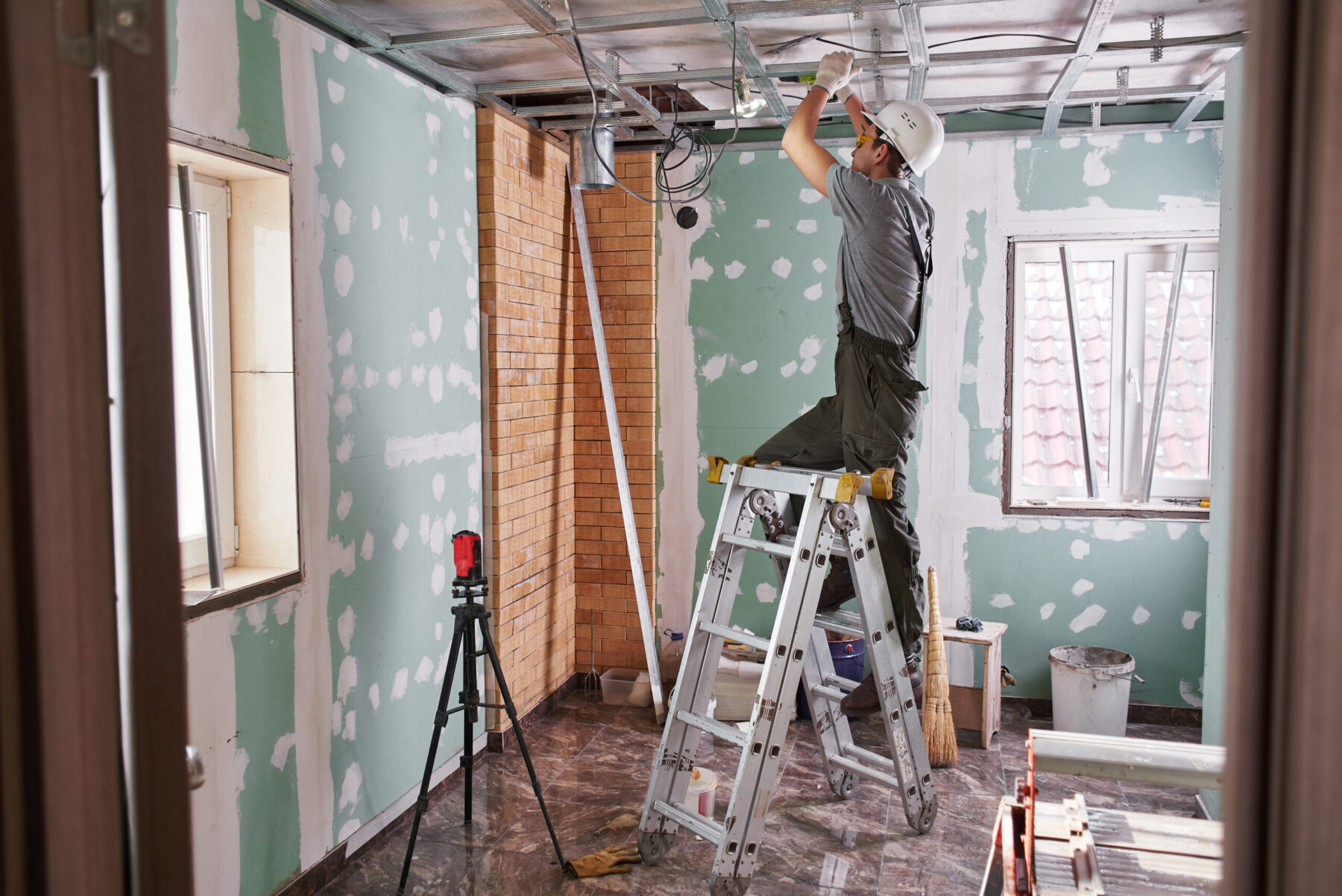
Renovating a home often involves working with different professionals, such as inspectors, contractors, and designers. Having a reliable team can make the process more manageable. Clear communication and planning are important when coordinating different aspects of the project. Taking time to find the right support can help keep the renovation organized and on track.
Prepare For The Process
Renovating a home requires time, attention, and decision-making. From selecting materials to managing schedules, there are many moving parts involved. Preparing yourself for the process can help you stay more organized and reduce stress. Setting realistic expectations and maintaining flexibility can make a noticeable difference throughout the renovation.
Find the Information You Need in Home & Auto Resources
For more knowledge on insurance, don’t hesitate to reach out. Call Home & Auto Resources at (888) 291-2366 for more information. Our dedicated team is ready to support you in making informed decisions.
Common FAQs About Home Renovations
1. What Should I Check Before Buying A Home To Renovate?
You should review the home’s structure, roof, plumbing, electrical systems, and overall condition to understand the scope of potential work.
2. Is Buying A Fixer-Upper Always Cheaper?
Not always. While the purchase price may be lower, renovation costs and unexpected repairs can increase the total investment.
3. Why Is A Home Inspection Important For Renovation Properties?
An inspection can reveal hidden issues such as structural damage, leaks, or outdated systems that may not be visible during a basic walkthrough.
4. How Do I Set A Budget For A Renovation Home?
A renovation budget should include the purchase price, materials, labor, permits, and a buffer for unexpected expenses.
5. Do Renovation Homes Require Special Financing?
Some properties may require different financing options depending on their condition and the scope of planned renovations.
6. What Are Common Risks When Buying A Home To Renovate?
Common risks include hidden damage, higher-than-expected costs, delays, and challenges with permits or regulations.
7. Should I Focus On Cosmetic Or Structural Repairs First?
Structural and essential system repairs should come first to ensure the home is safe and functional before cosmetic upgrades.
8. How Long Do Renovation Projects Usually Take?
Timelines vary depending on the scope of the project, but delays are common due to materials, scheduling, or unexpected issues.
9. Why Is Location Important When Buying A Renovation Home?
Location affects long-term value, convenience, and the overall potential of the property, regardless of the renovations completed.
10. Do I Need Professionals For A Renovation Project?
Many renovation projects involve working with inspectors, contractors, and other professionals to help manage different aspects of the process.



CONTACT US
Have a question we haven’t considered yet? Fill out our contact form and we’ll get back to you!
