
Owning a home comes with a long list of responsibilities, and regular maintenance is one of the most important. While it can be tempting to only deal with problems when something breaks, that approach often leads to bigger repairs, higher costs, and more stress. A well-maintained home is usually safer, more comfortable, and better prepared for everyday wear and seasonal changes.
Home maintenance does not always have to be complicated. In many cases, staying ahead of a few key tasks can make a major difference over time. Some parts of a home naturally experience more strain than others, and these are often the areas that deserve the most attention. By focusing on essential maintenance items, homeowners can help protect their property and avoid preventable issues.
1. Roof And Gutter Maintenance
Your roof is one of the most important protective features of your home. It helps shield the structure from rain, wind, sun exposure, and debris. Gutters support that protection by directing water away from the roofline, siding, and foundation. When either of these areas is neglected, moisture can begin to create problems that spread throughout the home.
Routine roof maintenance should include checking for visible signs of wear such as missing shingles, cracked materials, sagging areas, or buildup from leaves and branches. Even small issues can become larger if they allow water to enter the structure. A minor leak may not seem urgent at first, but over time, it can contribute to stains, weakened materials, and other damage inside the home.
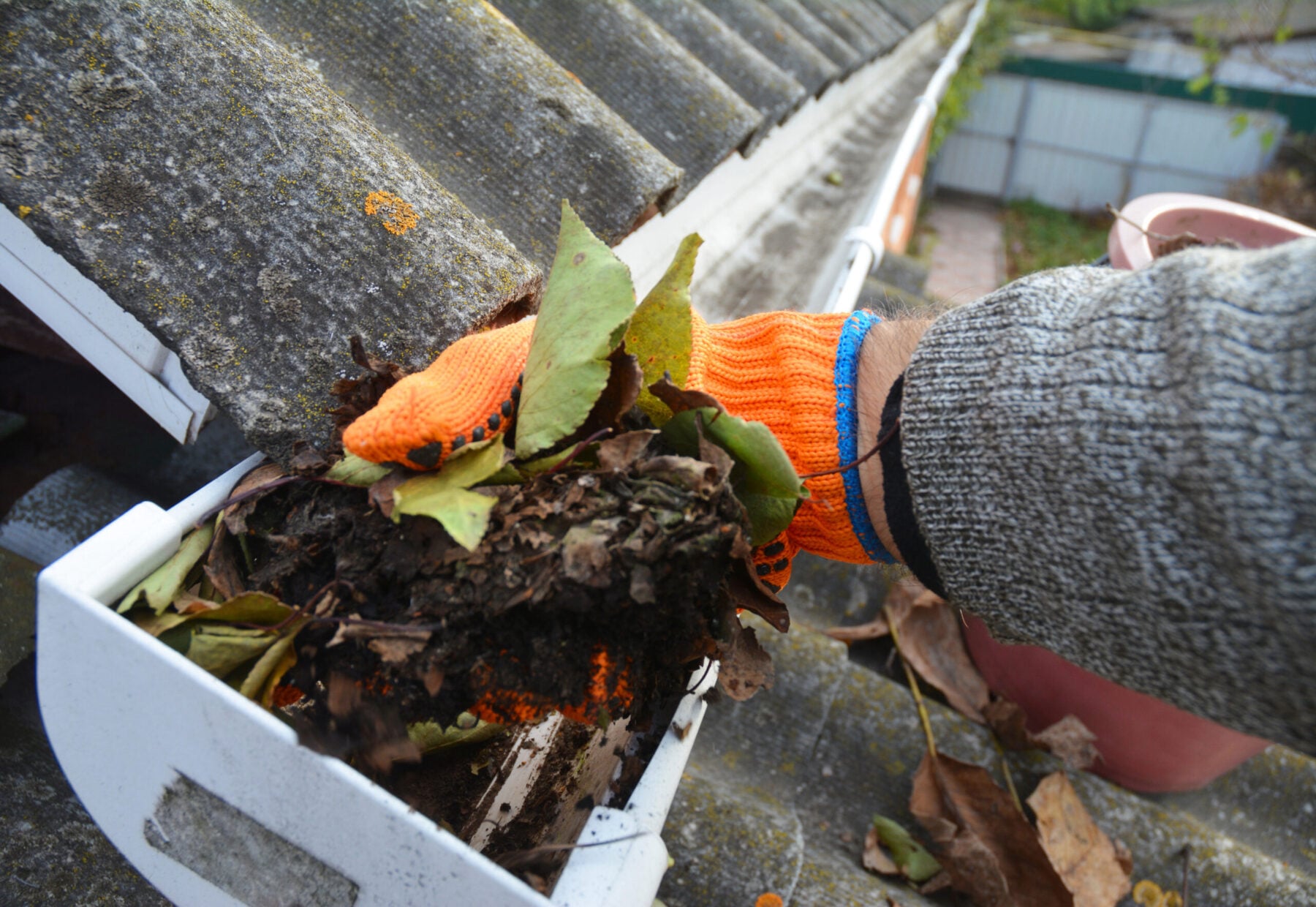
Gutters also need regular attention. When gutters become clogged, rainwater may overflow instead of draining properly. That overflow can affect siding, landscaping, and the foundation. Water pooling near the base of a home is something most homeowners want to avoid, since excess moisture around the foundation can create long-term concerns.
Keeping gutters clear and checking them for secure attachment can help water move away from the house as intended. This is especially important during seasons with heavy rain or falling leaves. Roof and gutter maintenance may not always be at the top of someone’s to-do list, but it is one of the most valuable ways to protect the home as a whole.
 2. HVAC System Care
A heating and cooling system plays a major role in how comfortable a home feels throughout the year. It also affects indoor air circulation and overall efficiency. Because the HVAC system works hard in both hot and cold seasons, it should be maintained consistently rather than only looked at when something goes wrong.
One of the most basic but important tasks is replacing or checking air filters regularly. A dirty filter can restrict airflow, make the system work harder, and affect indoor comfort. It may also contribute to dust buildup and reduced air quality. A simple filter change can support better airflow and help the system operate more smoothly.
Beyond filters, it is helpful to keep vents clear and make sure indoor units and outdoor components are not blocked by dust, furniture, or overgrown plants. When airflow is restricted, the system may struggle to maintain the desired temperature. Over time, that extra strain can reduce performance.
Regular inspection of the HVAC system can also help identify wear before it leads to a breakdown. Strange sounds, weak airflow, inconsistent temperatures, or unusual odors may all be signs that maintenance is needed. Paying attention to these early signs can help homeowners respond before the problem becomes more disruptive.
Consistent HVAC care supports comfort, system longevity, and better day-to-day performance. Since many households rely on heating and cooling almost year-round, this is one home maintenance task that deserves ongoing attention.
3. Plumbing Checks And Leak Prevention
Plumbing issues often start small and become noticeable only after damage has already begun. A slow drip, minor leak, or hidden moisture problem may not seem serious at first, but water has a way of affecting surrounding materials over time. That is why plumbing checks are one of the top maintenance tasks homeowners should not overlook.
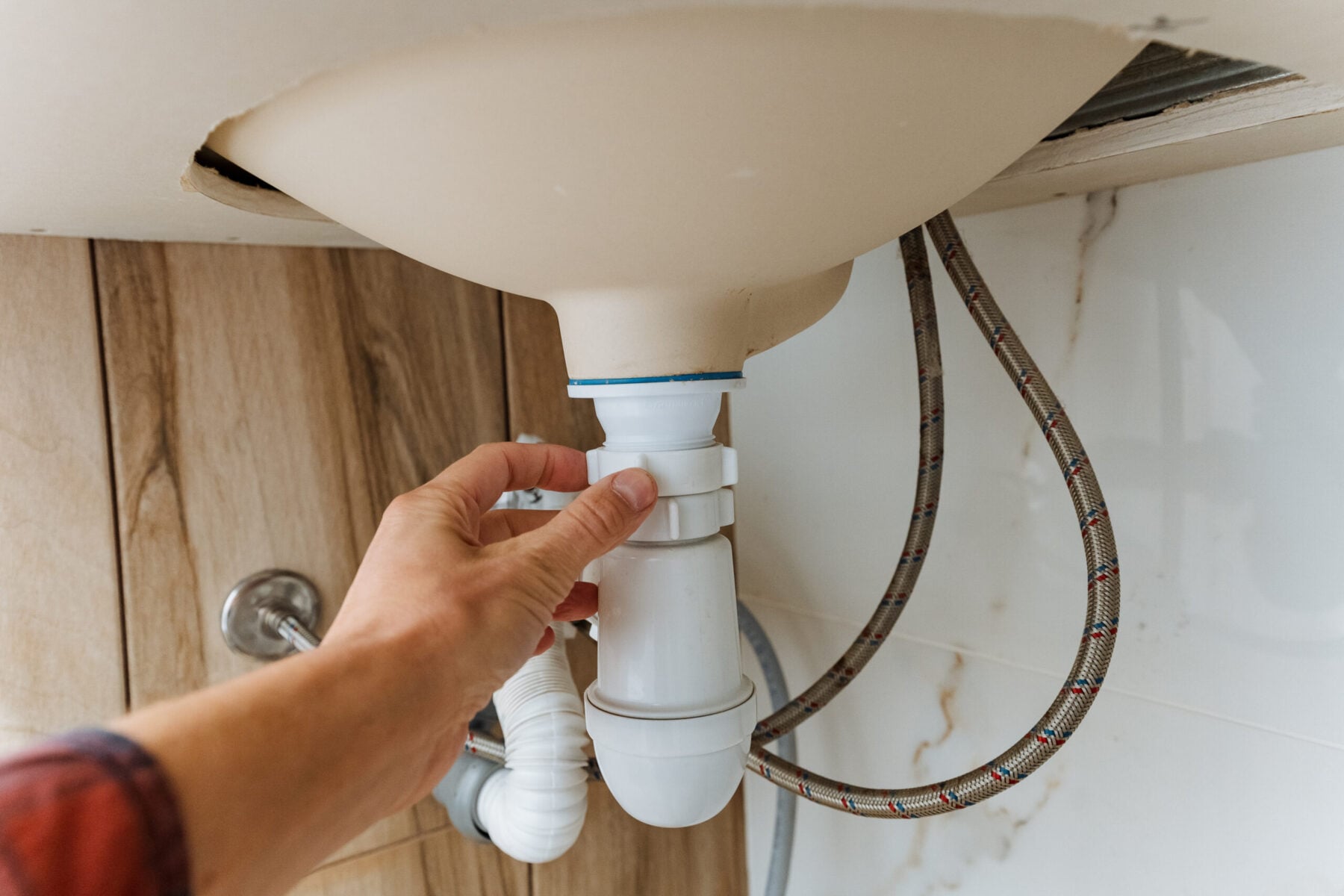
A good place to start is by keeping an eye on sinks, faucets, toilets, and exposed pipes. Signs such as dripping water, stains, rust, soft materials, or musty smells may suggest that moisture is present where it should not be. Under-sink areas, utility rooms, and bathrooms are especially worth checking because small leaks can easily go unnoticed in those spaces.
Water heaters should also be observed as part of regular home maintenance. Homeowners may want to watch for signs of wear around the unit, changes in water temperature, or unusual noises. Since the water heater is used often, any developing issue can affect daily routines quickly.
Drain care is another important part of plumbing maintenance. Slow drains may signal buildup that could eventually lead to a clog. Keeping drains flowing properly and being mindful of what goes down sinks, tubs, and toilets can help reduce strain on the system.
Leaks and moisture problems do not only affect plumbing fixtures. They can also influence walls, flooring, cabinets, and nearby materials. By checking plumbing regularly and responding to small issues sooner rather than later, homeowners can help prevent larger complications that are more difficult to manage.
4. Exterior Sealing And Foundation Awareness
The exterior of a home is constantly exposed to changing weather, temperature shifts, and natural wear. Over time, even well-built homes can develop small gaps, cracks, or worn areas around windows, doors, siding, and foundations. These changes may seem minor, but they can affect the home’s ability to stay protected from moisture, drafts, and other outside elements.
One key maintenance task is checking the seals around doors and windows. Worn caulking or weather stripping can allow outside air and moisture to enter more easily. This can affect comfort indoors and place added strain on heating and cooling systems. Resealing these areas when needed can help maintain a more stable indoor environment.
It is also wise to look at the home’s foundation and exterior walls from time to time. Small cracks or visible wear may not always indicate a serious structural issue, but they are worth monitoring. Moisture near the base of the house, uneven settling, or worsening cracks should never be ignored.
Walkways, driveways, and exterior surfaces can also influence how water moves around the property. If water is not draining away from the house properly, it may collect in places where it can eventually create damage. Paying attention to grading, runoff, and nearby drainage patterns can help support the health of the home’s foundation.
Exterior maintenance is easy to postpone because the changes often happen gradually. However, the condition of the outside of the home directly affects what happens inside. Staying aware of seals, cracks, and drainage can go a long way in protecting the structure over time.
5. Safety System And Electrical Upkeep
A home should not only be comfortable and functional, but also safe. That is why maintenance should include regular attention to basic safety systems and visible electrical components. These are the kinds of items that many people forget until there is a problem, but routine checks can make a big difference.
Smoke alarms and carbon monoxide detectors should be tested regularly to make sure they are working properly. Batteries should be replaced as needed, and units should not be ignored just because they are quiet most of the time. These devices are small but important parts of a home’s safety plan.
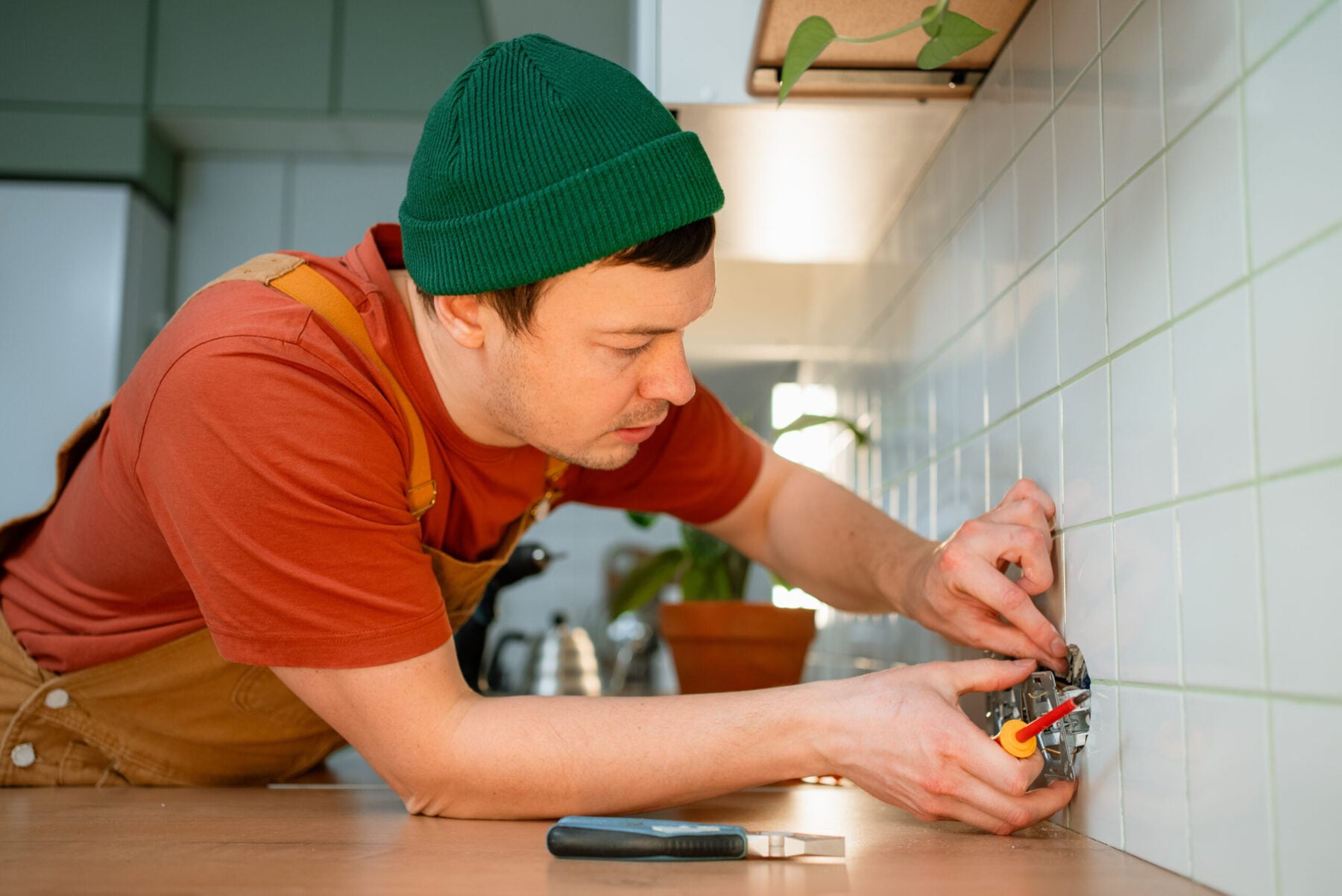
Electrical upkeep is also essential. Homeowners should pay attention to flickering lights, outlets that do not work correctly, warm switch plates, or breakers that trip repeatedly. These signs may suggest an issue that should be looked at more closely. Extension cords and overloaded outlets can also create unnecessary risk if used as long-term solutions.
Outdoor lighting, garage lighting, and entryway lighting are worth checking too. Well-functioning lighting supports both convenience and visibility around the home. Replacing bulbs, checking fixtures, and making sure switches work as expected are simple tasks that can improve everyday use.
Home maintenance is not only about preserving materials and systems. It is also about supporting a safer living environment. By making safety devices and visible electrical systems part of regular maintenance, homeowners can stay more aware of the condition of the spaces they rely on every day.
Why Preventive Maintenance Matters
Preventive maintenance is often easier to manage than unexpected repairs. When homeowners stay consistent with essential tasks, they are more likely to catch small issues before they become disruptive. This approach can also help reduce the stress that comes with last-minute emergencies and urgent repair decisions.
Another benefit of preventive maintenance is that it helps homeowners become more familiar with their property. The more often you check your home’s major systems and surfaces, the easier it becomes to notice when something looks different. That awareness can be extremely valuable over time.
Regular upkeep can also contribute to the overall appearance and function of the home. Clean gutters, working HVAC filters, dry plumbing areas, solid exterior seals, and functioning safety devices all support a home that feels more reliable and well cared for. Even when tasks seem small on their own, together they create a stronger foundation for long-term home care.
 Creating A Simple Home Maintenance Routine
One reason home maintenance gets delayed is that it can feel overwhelming. A full house includes many moving parts, and trying to manage everything at once is not always realistic. A better approach is to build a simple routine that breaks tasks into smaller, manageable steps.
Some homeowners prefer a seasonal checklist, while others use monthly reminders. The exact system matters less than consistency. What helps most is having a basic plan for checking the five key areas discussed above: roof and gutters, HVAC, plumbing, exterior sealing, and safety systems.
A routine also helps prevent important tasks from slipping through the cracks. Instead of waiting until something becomes obvious, you create regular moments to inspect and respond. Over time, this can make home care feel much more manageable and less reactive.
Find the Information You Need in Home & Auto Resources
For more knowledge on insurance, don’t hesitate to reach out. Call Home & Auto Resources at (888) 291-2366 for more information. Our dedicated team is ready to support you in making informed decisions.
FAQs
1. What Are The Most Important Home Maintenance Tasks?
Some of the most important home maintenance tasks include checking the roof, cleaning gutters, maintaining the HVAC system, inspecting plumbing, sealing exterior gaps, and testing safety devices like smoke alarms.
2. How Often Should I Clean My Gutters?
Gutters are commonly checked and cleaned regularly throughout the year, especially during seasons when leaves, debris, and heavy rain are more likely to affect drainage.
3. Why Is HVAC Maintenance Important For A Home?
HVAC maintenance helps support indoor comfort, airflow, and system performance. It can also help homeowners notice issues early before they become bigger problems.
4. What Plumbing Problems Should Homeowners Watch For?
Homeowners should watch for dripping faucets, slow drains, water stains, musty smells, visible leaks, and signs of moisture under sinks or around fixtures.
5. Why Should I Check The Exterior Of My Home Regularly?
Checking the exterior helps you spot cracks, worn seals, drainage concerns, and other issues that may allow moisture or outside air to affect the home.
6. What Safety Devices Should Be Included In Home Maintenance?
Smoke alarms, carbon monoxide detectors, outdoor lighting, and basic electrical components should all be part of a regular home maintenance routine.
7. How Can Preventive Home Maintenance Help?
Preventive home maintenance can help homeowners catch smaller issues early, reduce the chance of larger repairs, and keep the home functioning more reliably over time.
8. What Areas Of A Home Are Most Often Overlooked?
Gutters, under-sink plumbing, weather sealing, air filters, and safety alarms are some of the most commonly overlooked areas in routine home care.
9. How Do I Start A Simple Home Maintenance Routine?
A simple routine can start with a monthly or seasonal checklist that includes the main systems and structures of the home, such as roofing, plumbing, HVAC, exterior surfaces, and safety devices.
10. Why Is Regular Home Maintenance Worth The Effort?
Regular home maintenance supports safety, comfort, and the overall condition of the property. It also helps homeowners stay more aware of how their home is performing throughout the year.



CONTACT US
Have a question we haven’t considered yet? Fill out our contact form and we’ll get back to you!
