

A home remodel can be one of the most exciting projects a homeowner undertakes. Whether the goal is to update outdated spaces, improve functionality, create more room, or refresh the overall appearance of the home, remodeling offers an opportunity to make meaningful improvements. However, successful remodeling projects rarely happen by accident. They require careful planning, realistic expectations, and a clear understanding of what the process involves.
Many homeowners begin remodeling with a vision of the finished result but spend less time preparing for the steps required to get there. Without proper preparation, projects can become more stressful, time-consuming, and complicated than expected. Understanding what to know before starting a home remodel can help homeowners make informed decisions and navigate the process with greater confidence.
Every remodeling project is unique, but there are several important factors that apply to nearly all renovations. From budgeting and planning to permits and timelines, being prepared can help create a smoother experience from beginning to end.
Define Your Remodeling Goals
Before any work begins, it is important to clearly define the purpose of the remodel. Homeowners often have a general idea of what they want to change, but a successful project usually starts with more specific goals.
Ask yourself what you hope to accomplish. Are you looking for more storage? Better functionality? Updated finishes? Improved comfort? More natural light? Understanding your priorities helps guide decisions throughout the remodeling process.
Having clear goals can also help prevent unnecessary changes during construction. When homeowners know exactly what they want to achieve, it becomes easier to stay focused and avoid distractions that may increase costs or extend timelines.
 Establish A Realistic Budget
Budgeting is one of the most important parts of any remodeling project. While it can be tempting to focus only on design ideas and finishes, understanding the financial side of the project is essential.
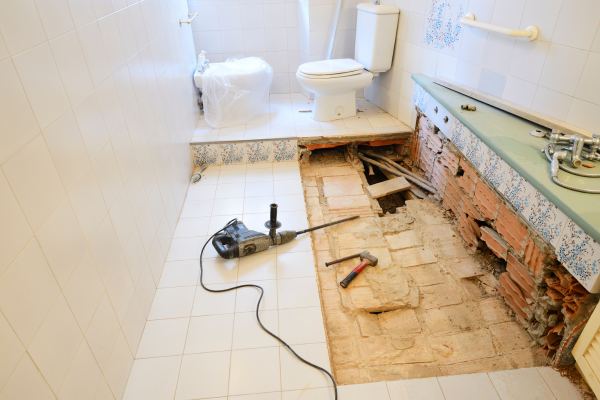
A remodeling budget should include materials, labor, permits, inspections, and other project-related expenses. It is also wise to prepare for unexpected costs. During remodeling, hidden issues such as water damage, outdated wiring, or structural concerns may become visible once walls, flooring, or fixtures are removed.
Setting a realistic budget from the beginning can help homeowners make informed decisions about priorities and avoid financial surprises later in the project.
Understand The Scope Of The Project
One of the most common mistakes homeowners make is underestimating the scope of a remodel. Even projects that seem simple on the surface can involve multiple steps and interconnected systems.
For example, updating a kitchen may involve cabinetry, plumbing, electrical work, flooring, lighting, and appliances. A bathroom renovation may require waterproofing, ventilation improvements, fixture installation, and tile work.
Understanding the full scope of the remodel helps create more realistic expectations regarding time, cost, and complexity. It also allows homeowners to better prepare for the impact the project may have on daily life.
Prioritize Function Over Appearance
While aesthetics are often a major reason for remodeling, functionality should be a priority. A room that looks beautiful but does not meet daily needs may quickly become frustrating.
Think about how each space is used and what improvements would make it more practical. Consider storage, traffic flow, lighting, accessibility, and overall convenience. Remodeling decisions that improve functionality often provide long-term benefits that extend beyond appearance.
When planning a remodel, homeowners should aim for a balance between design and usability. The most successful spaces typically combine both.
Research Materials Carefully
Materials play a significant role in both the appearance and durability of a remodeled space. Flooring, countertops, cabinets, fixtures, paint, and finishes all influence the final result.
Researching materials ahead of time can help homeowners understand the advantages and limitations of different options. Some materials may require more maintenance, while others may offer greater durability or easier cleaning.
It is also helpful to consider how materials fit into the overall design vision and budget. Taking the time to compare options can lead to more confident decisions throughout the project.
Prepare For Unexpected Challenges
No remodeling project is completely predictable. Even with careful planning, unexpected challenges can arise once work begins.
Older homes may reveal hidden issues behind walls or beneath flooring. Materials may become unavailable. Timelines may shift due to weather, scheduling, inspections, or other factors. While these situations can be frustrating, they are not uncommon in remodeling projects.
Being mentally and financially prepared for surprises can make the process less stressful. Flexibility is often one of the most valuable qualities a homeowner can have during a renovation.
Learn About Permits And Regulations
Many remodeling projects require permits depending on the type of work being performed. Structural changes, electrical modifications, plumbing updates, and additions often fall under permit requirements.
Permits help ensure that work meets building standards and safety regulations. They may also involve inspections at various stages of the project.
Understanding permit requirements before beginning a remodel can help prevent delays and avoid complications later. Homeowners should familiarize themselves with any regulations that may apply to their project.
Consider How The Remodel Will Affect Daily Life
Remodeling can temporarily disrupt normal routines. Depending on the project, certain areas of the home may become inaccessible during construction.
Kitchen renovations may limit cooking options. Bathroom remodeling may require temporary adjustments. Larger projects can create noise, dust, and increased activity throughout the home.
Preparing for these disruptions ahead of time can help homeowners manage expectations and reduce stress. Planning temporary alternatives for affected spaces can make the process more manageable.
Think About Long-Term Needs
A remodel should not only address current needs but also consider future lifestyle changes. Households evolve over time, and thoughtful remodeling can help create spaces that remain functional for years.
Flexible layouts, durable materials, ample storage, and accessible design features can contribute to long-term usability. Thinking ahead during the planning phase may help homeowners avoid needing additional modifications later.
Long-term planning often leads to remodeling decisions that continue providing value well beyond the completion of the project.
Understand The Importance Of Communication
Communication plays a major role in remodeling success. Clear discussions about goals, expectations, timelines, and design preferences can help prevent misunderstandings during the project.
Whether working with contractors, designers, suppliers, or other professionals, maintaining open communication helps keep everyone aligned. Questions, concerns, and updates should be addressed promptly to help the project move forward smoothly.
Good communication can also make it easier to adapt when unexpected changes occur.
Focus On Quality Rather Than Speed
Many homeowners are eager to complete remodeling projects as quickly as possible. While efficiency is important, quality should not be sacrificed for speed.
Careful planning, proper installation, and attention to detail contribute to better long-term results. Rushing important decisions or construction steps can sometimes create additional problems that require correction later.
Taking the time to do the project properly often results in a more satisfying outcome and a space that functions well for years to come.
 Stay Flexible Throughout The Process
Flexibility is one of the most valuable qualities during a remodeling project. Even the best plans may need adjustments along the way.
Design changes, material substitutions, scheduling shifts, and unforeseen conditions can all affect the project timeline or scope. Homeowners who approach the process with flexibility are often better prepared to handle these situations without unnecessary frustration.
Staying focused on the overall goals of the remodel can help maintain perspective when smaller challenges arise.
Home and Auto Resources- Regular Car Maintenance
For knowledge on insurance, don’t hesitate to reach out. Call Home & Auto Resources at (888) 291-2366 or visit our website. Our dedicated team is ready to support you in making informed decisions.
Common FAQs
1. What Should I Do Before Starting A Home Remodel?
Before starting a remodel, homeowners should define their goals, establish a budget, research ideas, and understand the project scope.
2. Why Is Planning Important For Home Remodeling?
Planning helps organize expectations, prioritize improvements, manage budgets, and reduce unexpected challenges.
3. How Do I Determine A Remodeling Budget?
A remodeling budget should include materials, labor, permits, design costs, and additional funds for unforeseen issues.
4. Should I Remodel My Entire Home At Once?
Not necessarily. Many homeowners choose to focus on the areas that need the most improvement or offer the greatest impact on daily life.
5. Why Are Permits Sometimes Required For Remodeling?
Permits help ensure that work meets applicable building standards and safety requirements, particularly for structural, electrical, or plumbing changes.
6. How Long Does A Home Remodeling Project Usually Take?
Project timelines vary depending on the size and complexity of the renovation, as well as factors such as materials and scheduling.
7. What Are Common Remodeling Challenges?
Common challenges include delays, material shortages, hidden damage, budget adjustments, and changes to the project scope.
8. Why Is It Important To Choose Materials Carefully?
Materials affect durability, maintenance requirements, appearance, and overall project costs.
9. Can Remodeling Affect Daily Life?
Yes. Remodeling may temporarily create noise, dust, limited room access, and other disruptions during construction.
10. What Is The Benefit Of Having Clear Remodeling Goals?
Clear goals help guide decisions, prioritize spending, and keep the project focused on achieving desired outcomes.

CONTACT US
Have a question we haven’t considered yet? Fill out our contact form and we’ll get back to you!
