
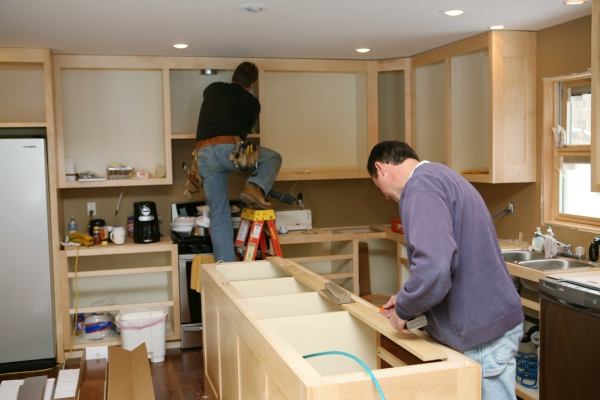
Home remodeling can be exciting, but it can also feel overwhelming. Between planning, budgeting, choosing materials, managing timelines, and dealing with disruptions, even a simple project can become stressful without the right approach. While some challenges are a normal part of remodeling, there are practical ways to make the process feel more manageable.
A less stressful remodel begins with preparation. When homeowners understand what to expect and create a clear plan before work begins, they are often better equipped to handle delays, decisions, and unexpected changes. Remodeling does not have to feel chaotic. With organization, communication, and flexibility, the process can become much smoother.
Whether you are updating one room or planning a larger renovation, the following tips can help reduce stress and create a more positive remodeling experience.
Start With A Clear Plan
One of the best ways to reduce remodeling stress is to begin with a clear plan. Before any work starts, homeowners should know what they want to accomplish, which areas will be remodeled, and what priorities matter most.
A clear plan helps guide decisions and keeps the project focused. Without one, it is easy for ideas to change constantly, which can lead to delays, extra costs, and confusion. Planning ahead also gives homeowners time to research materials, layouts, and design preferences before construction begins.
The more details that are decided early, the easier it becomes to move through the project with confidence.
 Set A Realistic Budget
Budget stress is one of the most common challenges during home remodeling. A realistic budget helps homeowners understand what they can afford and where they may need to make adjustments.
A good remodeling budget should include materials, labor, permits, and possible unexpected expenses. Hidden issues can appear once work begins, especially when walls, flooring, or fixtures are removed. Having extra room in the budget can help reduce panic if surprises arise.
It is also helpful to separate must-have features from nice-to-have upgrades. This makes it easier to make decisions if adjustments are needed.
Create A Practical Timeline
Every homeowner wants a remodeling project to be completed quickly, but unrealistic timelines can create unnecessary frustration. Remodeling often involves multiple steps, and each phase may depend on the one before it.
Material availability, inspections, scheduling, and unexpected repairs can all affect the timeline. Creating a practical schedule from the start helps set better expectations.
Even with a timeline in place, flexibility is important. Delays can happen, and being prepared for them can make the process feel less stressful.
Get Organized Before Work Begins
Organization can make a major difference during a remodel. Keeping documents, receipts, design choices, contracts, and schedules in one place can help homeowners stay on top of the project.
It may be helpful to create a folder, notebook, or digital file for remodeling information. This can include paint colors, material selections, measurements, project notes, and contact information.
When details are easy to find, communication becomes smoother and decisions can be made more quickly.
Prepare Your Home For Construction
Before remodeling begins, homeowners should prepare the affected areas. This may include moving furniture, clearing cabinets, protecting belongings, and creating space for workers or materials.
Preparing the home ahead of time can help reduce dust, clutter, and confusion. It also helps prevent damage to personal items.
If the remodel affects an important area such as a kitchen or bathroom, temporary arrangements may be needed. Planning for these disruptions in advance can make daily life easier during construction.
Expect Some Disruption
Even a well-managed remodel can disrupt normal routines. Noise, dust, limited access to rooms, and changes in household schedules are common during renovation projects.
Expecting some inconvenience ahead of time can help reduce stress when it happens. Instead of being surprised by daily disruptions, homeowners can prepare mentally and practically.
For larger projects, it may help to create temporary living areas or adjust routines around the construction schedule. The goal is not to avoid every inconvenience, but to make them easier to manage.
Communicate Clearly
Clear communication is essential for a smoother remodeling process. Homeowners should feel comfortable asking questions, confirming details, and discussing concerns throughout the project.
Miscommunication can lead to mistakes, delays, or disappointment. Regular updates help ensure everyone involved understands the goals, timeline, and expectations.
It is also important to communicate changes as soon as possible. Waiting too long to make decisions can slow the project down or create unnecessary confusion.
Make Decisions Early
Remodeling often involves many decisions, from flooring and cabinets to lighting, fixtures, paint, and hardware. Waiting until the last minute to make these choices can add stress and delay the project.
Making decisions early allows materials to be ordered, schedules to stay organized, and work to continue more smoothly. It also gives homeowners more time to compare options without feeling rushed.
Decision fatigue is real during remodeling, so handling choices in advance can help keep the process from becoming overwhelming.
Focus On One Step At A Time
A remodeling project can feel intimidating when viewed as one large task. Breaking it into smaller steps makes it easier to manage.
Instead of focusing on the entire project at once, homeowners can concentrate on the current phase. Planning, demolition, installation, finishing work, and final cleanup each have their own purpose.
Taking the remodel step by step helps reduce stress and makes progress easier to recognize.
Be Flexible With Changes
Unexpected changes are common in remodeling. A material may be unavailable, a hidden problem may be discovered, or a design choice may need adjustment.
Flexibility helps homeowners respond calmly when plans shift. Being too rigid can make every change feel like a setback, while flexibility allows the project to keep moving forward.
This does not mean giving up on important goals. It simply means being open to practical solutions when circumstances change.
Keep The Final Goal In Mind
During the middle of a remodel, it can be easy to feel frustrated by dust, noise, delays, or unfinished spaces. Keeping the final goal in mind can help homeowners stay motivated.
A remodel is temporary, but the finished space can improve daily life for years. Remembering why the project started can make temporary inconvenience easier to handle.
Photos, design plans, or inspiration images may help homeowners stay focused on the result they are working toward.
 Avoid Constant Changes
Changing plans repeatedly during a remodel can increase stress, extend timelines, and affect the budget. While some adjustments may be necessary, frequent changes can create confusion.
Before making a change, homeowners should consider whether it truly improves the project or simply reflects a temporary preference. Staying close to the original plan can help the remodel remain more organized.
Clear goals and early decision-making are two of the best ways to avoid unnecessary changes.
Take Breaks From The Project
Remodeling can become mentally exhausting if homeowners think about it constantly. Taking occasional breaks from project decisions can help reduce stress.
It is helpful to step away when possible and focus on normal routines, family time, or rest. A calmer mindset can make decision-making easier when attention returns to the project.
While staying involved is important, homeowners do not need to let the remodel consume every moment.
Home and Auto Resources- Regular Car Maintenance
For more knowledge on insurance, don’t hesitate to reach out. Call Home & Auto Resources at (888) 291-2366 or visit our website. Our dedicated team is ready to support you in making informed decisions.
Frequently Asked Questions
1. How can I make home remodeling less stressful?
You can make home remodeling less stressful by creating a clear plan, setting a realistic budget, organizing project details, and communicating regularly with everyone involved. Preparing for delays and disruptions ahead of time can also help the process feel more manageable.
2. Why is planning important before starting a remodel?
Planning helps homeowners understand the scope of the project, make decisions early, and avoid confusion once work begins. A clear plan can reduce last-minute changes, unexpected costs, and delays.
3. How much extra money should I set aside for unexpected remodeling costs?
It is a good idea to leave extra room in your budget for unexpected expenses. Hidden issues, material changes, or repair needs can appear during construction, so having a financial cushion can help reduce stress.
4. What should be included in a remodeling budget?
A remodeling budget should include materials, labor, permits, design choices, temporary living needs, and possible unexpected costs. Separating must-have items from optional upgrades can also make budgeting easier.
5. How can I prepare my home before remodeling begins?
Before work starts, clear the remodeling area, move furniture, protect personal belongings, and make space for workers or materials. If the project affects a kitchen, bathroom, or bedroom, plan temporary arrangements in advance.
6. What disruptions should I expect during a remodel?
Common remodeling disruptions include noise, dust, limited access to certain rooms, schedule changes, and temporary changes to daily routines. Preparing for these inconveniences ahead of time can make them easier to handle.
7. Why should remodeling decisions be made early?
Making decisions early helps prevent delays and allows materials to be ordered on time. Choosing flooring, paint, fixtures, cabinets, and finishes before they are needed can keep the project moving smoothly.
8. How can I avoid going over budget during a remodel?
To avoid going over budget, stick closely to the original plan, limit unnecessary changes, compare material options, and keep track of expenses throughout the project. It also helps to prioritize essential updates over optional upgrades.
9. What should I do if my remodeling project is delayed?
If your project is delayed, stay flexible and communicate with your contractor or project team to understand the reason for the delay. Adjusting expectations and focusing on the next step can help reduce frustration.
10. How can I stay calm during a home remodeling project?
You can stay calm by focusing on one phase at a time, taking breaks from project decisions, staying organized, and keeping the final goal in mind. Remember that the disruption is temporary, but the finished space can benefit your home for years.


CONTACT US
Have a question we haven’t considered yet? Fill out our contact form and we’ll get back to you!
